05:00 Wake up
06:00 06:15 Karma yoga and mantra chanting
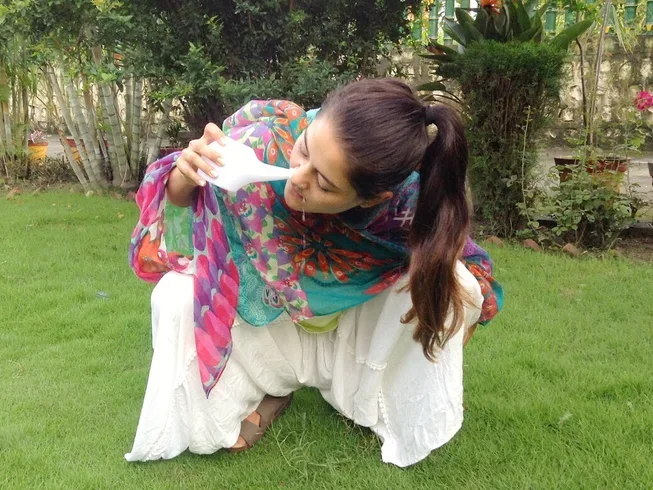
06:15-07:00 Shat-kriyas and pranayama practices
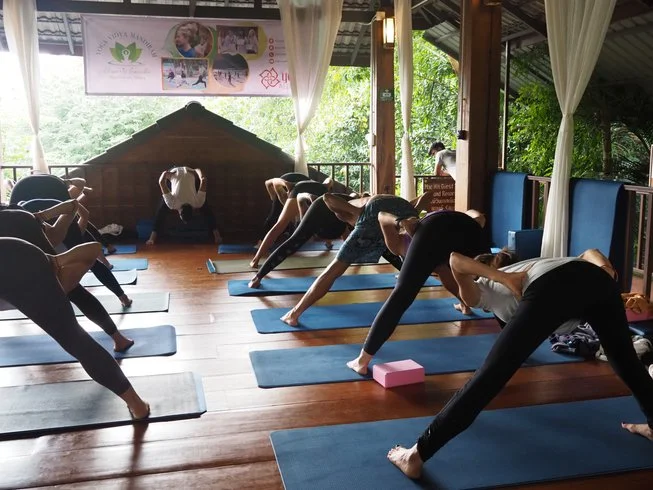
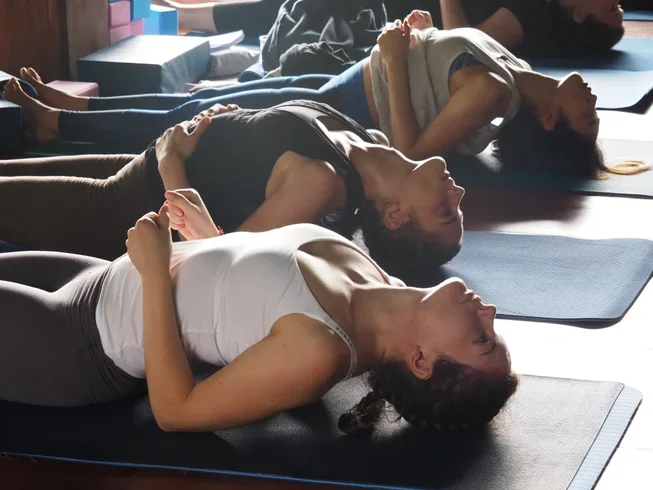
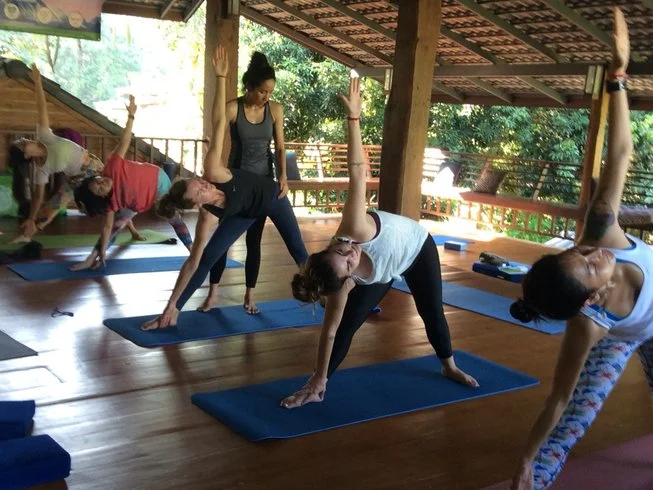
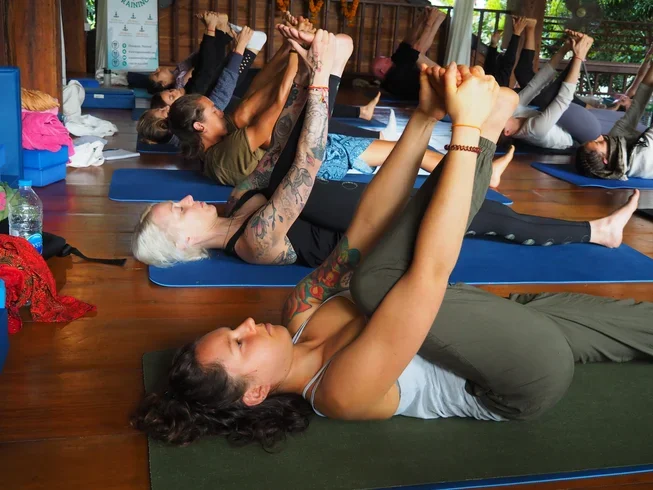
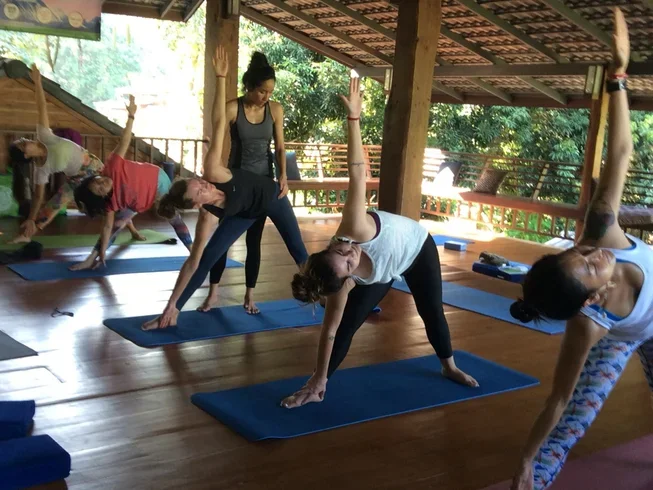
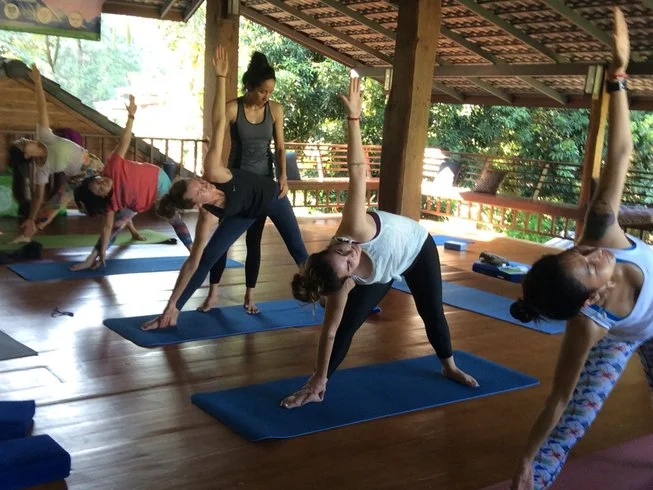
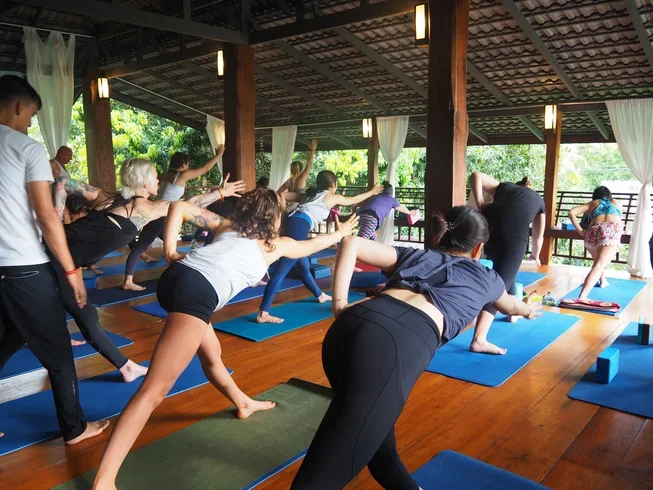
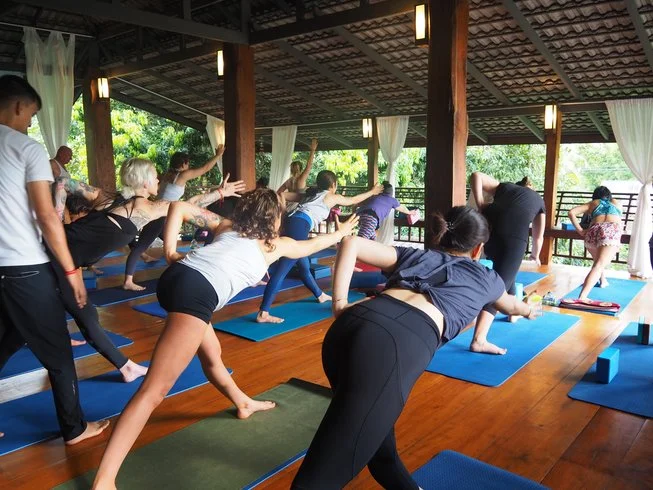
07:00-08:30 Hatha yoga (classical)
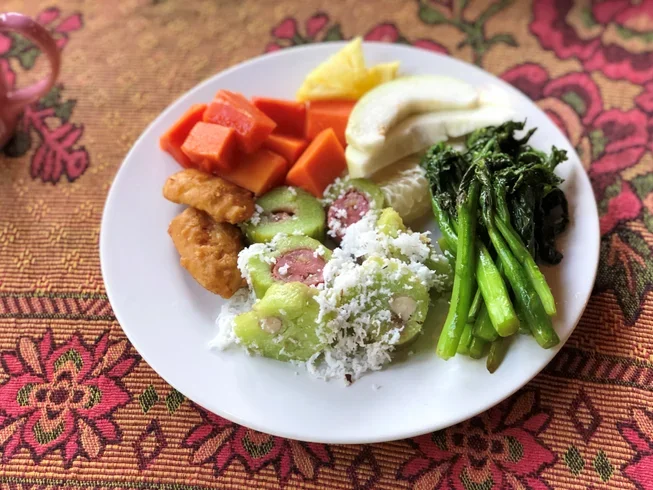
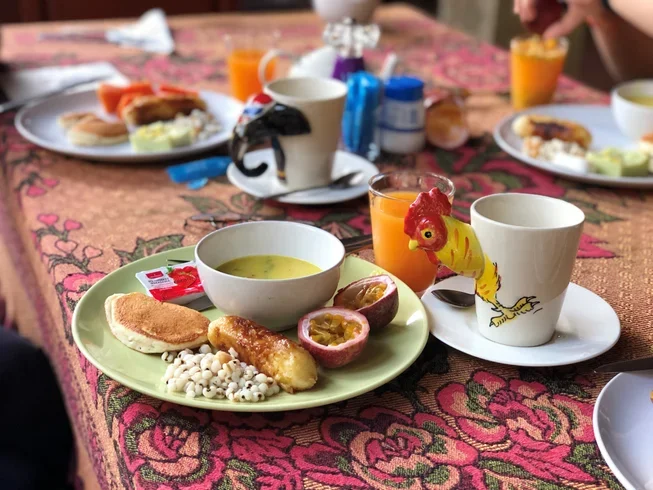
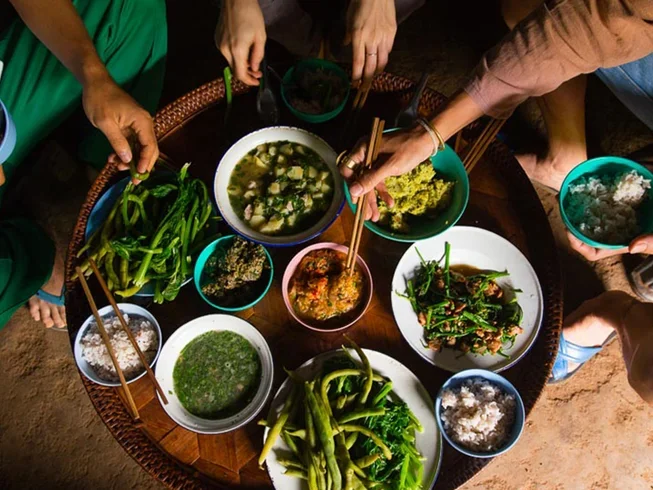
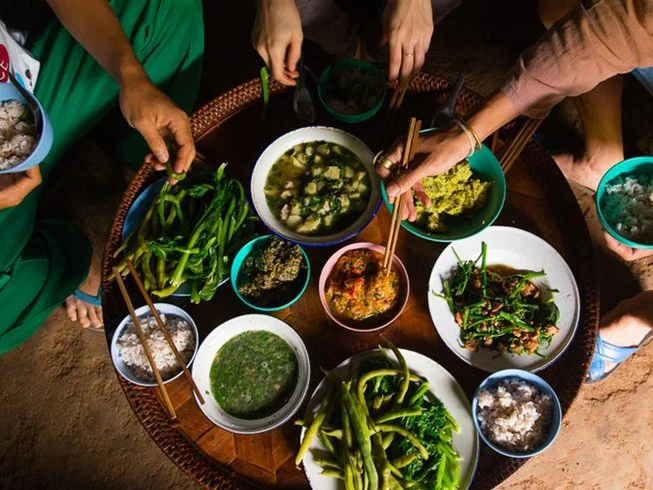
08:30-10:00 Breakfast and free time
10:00-11:15 Yoga philosophy
11:15-12:30 Yoga anatomy and physiology workshops
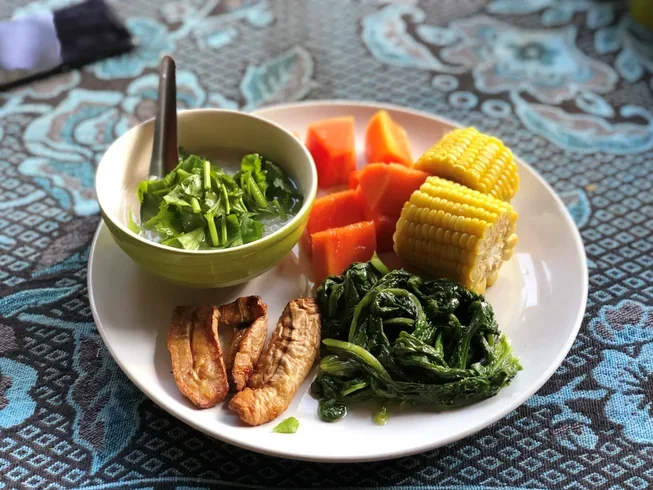
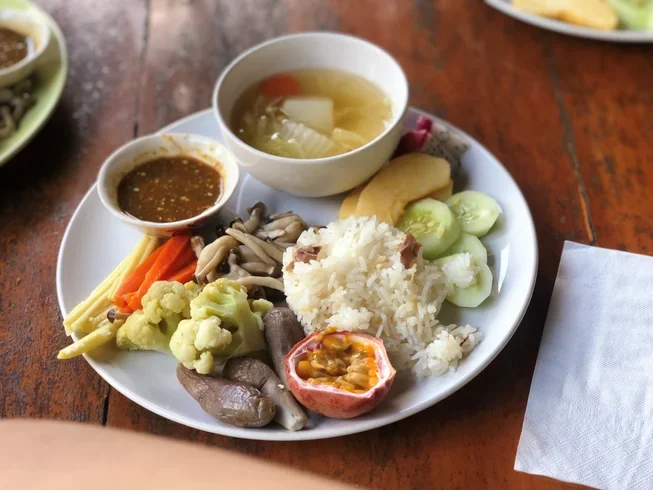
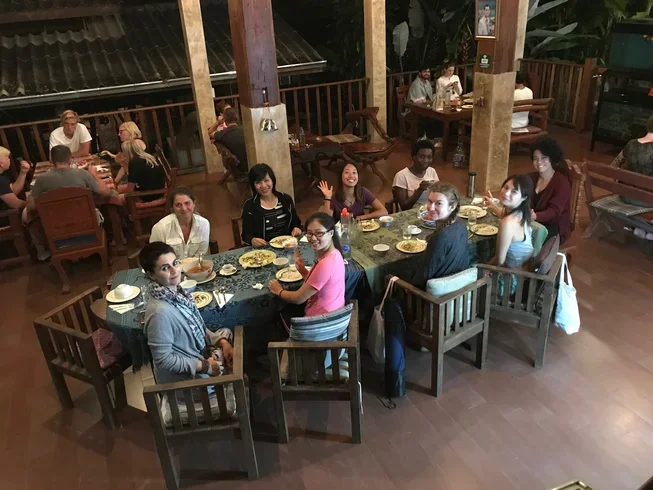
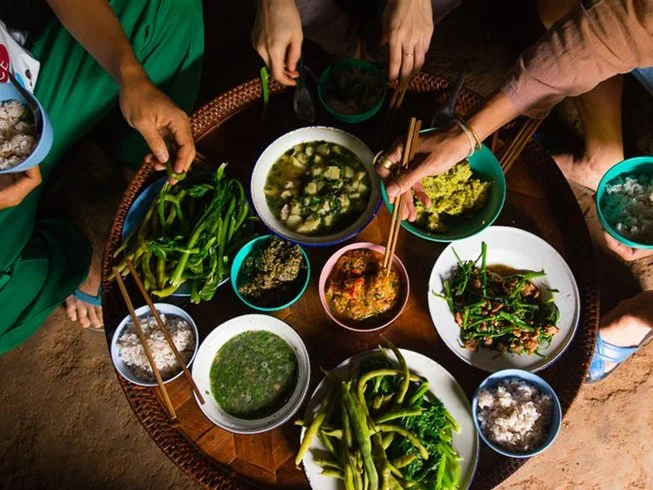
13:00-14:30 Lunch
14:30-15:45 Teaching methodology / Ayurveda / practice teaching
16:00-16:15 Tea break
16:15-18:00 Ashtanga Vinyasa sessions
6:30-7:30 PM Dinner and free time
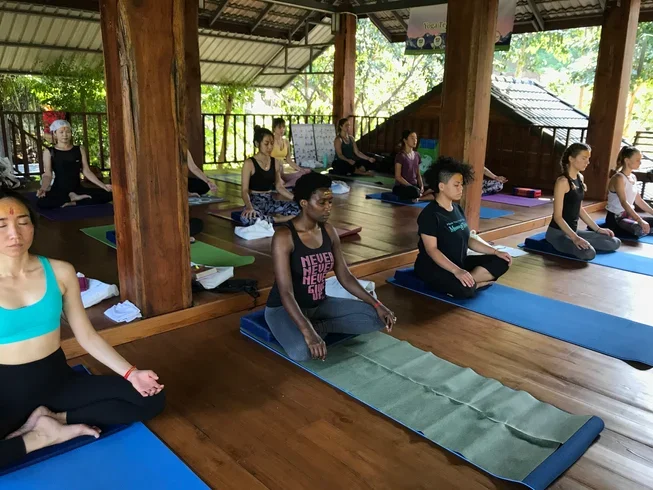
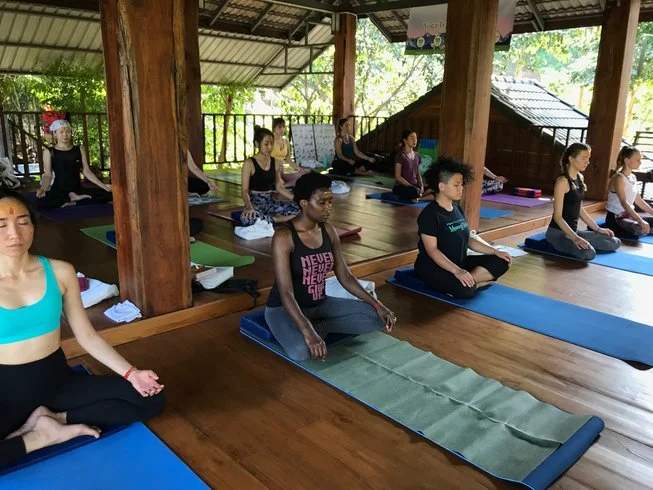
7:30 PM - 8:30 PM Guest lectures / satsang / meditation
21:00 Go to sleep
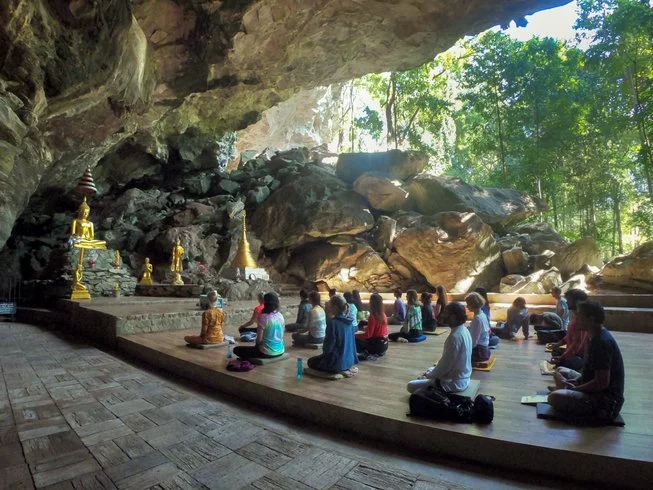
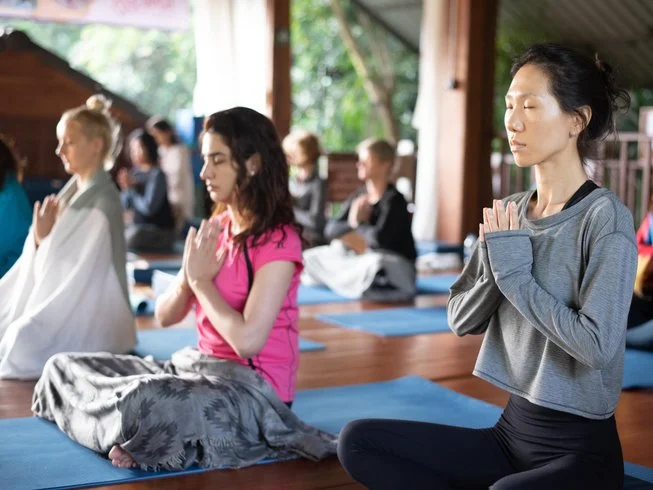
The 50 Hours Yoga Teacher Training at Yoga Vidya Mandiram in Chiangmai, Thailand centre is a short Yoga TTC program over a duration of 7 days and 6 nights. This short TTC program allows those interested in studying the arts of yoga in a structured and holistic approach. The program covers the essential basic foundation that is useful for those who are beginners or have been practicing yoga as a hobby. Our school aims to bring depth of understanding and practice into the foundations of yoga studies. The program is designed to integrate body, mind, and breath practices to achieve a well-rounded yoga study to inspire students in their personal and spiritual growth.
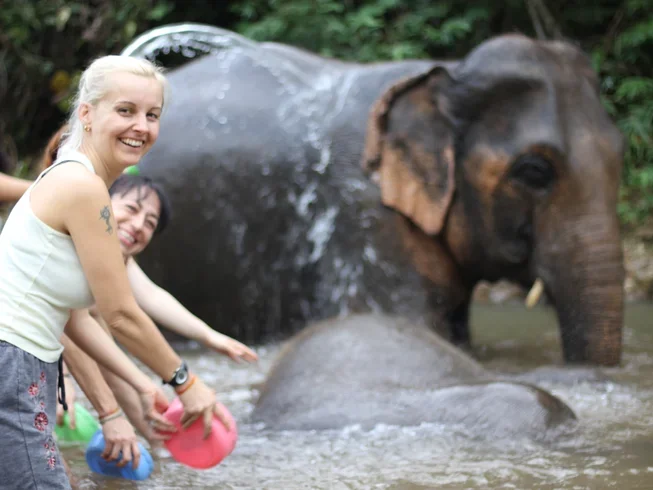
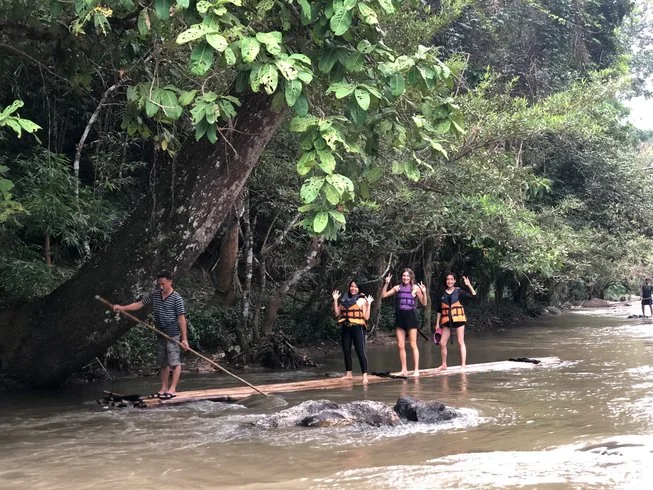
The curriculum covers the fundamental elements of yoga based on essential subjects consisting of pranayama, shat kriya, asana practices, yoga philosophy, yoga anatomy, relaxation (Yoga Nidra) and meditation. For asana practices, our school focuses on Hatha Yoga and Ashtanga Vinyasa Yoga styles of asana. Students will go through 6 days of training with 1 rest day per week. On this rest day, our school organizes an excursion for students that may involve either a cultural activity or a natural visit to the local area. The rest day is one of the weekdays to avoid tourists and traffic during the weekends.
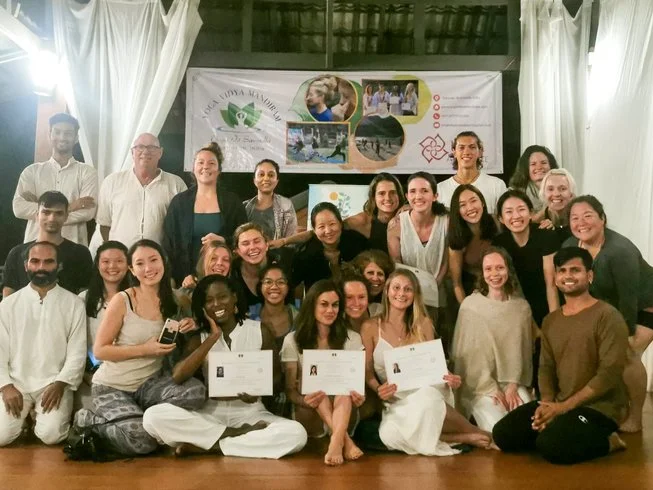
Students who complete their subsequent training are eligible to register with Yoga Alliance as Registered Yoga Teachers (RYT®).
This teacher training is a multi-style program for beginners with basic knowledge of yoga. After the completion of the course, the students will be given a certification of the completion of the 200-hour yoga training program from Yoga Vidya Mandiram School. This 200-hour yoga teacher training will be held by experienced reputed meditation guides and the team of accomplished yoga teachers.
Program
In this special occasion, Yoga Vidya Mandiram is traveling to Thailand with pure intensity of transmitting authentic knowledge of yoga and meditation from the ancient Vedic scriptures. The mission is to spread peace, health, and joy, which can be achieved through yoga. All walks of life are welcome to learn how yoga leads an individual to a healthy body and lifestyle!
The teachers and guides include an Ayurvedic doctor who feels privileged to share his / her knowledge and practice of ancient traditions with modern elements of medical sciences (yoga anatomy and physiology). This training program aims to provide a solid foundation in different aspects of yogic disciplines that prepare them to apply for the 200-hour yoga teacher training program.
In addition, this 200-hour yoga training program includes mantra recitation (mantra - Japa), daily joints and glands practices (granthi - vimochana - kriya), yoga postures (yoga asanas), meditative steps of doing asanas, six cleansing exercises (shat karma), science of breath (pranayama), yoga energy locks (Bandha). It also includes yoga gestures (Mudra), meditation (Dhyana), yogic sleep (yoga nidra), history and philosophy of yoga (yoga Darshana), yogic anatomy and physiology of human body, basic principles of Ayurveda, asana alignment practical classes, yoga teaching practice, and teaching methodology.
Curriculum
- 60 hours' of yoga technique
- 25 hours' teaching methodology
- 9 hours' mudra, bandha technique
- 10 hours' Ayurveda and yogic lifestyle
- 15 hours of anatomy and physiology
- 25 hours of yoga philosophy and psychology
- 12 hours of meditation and yoga Nidra
- 19 hours' pranayama and satkarma
- 10 hours' recitation of the mantras
- 15 hours of practice teaching guidance
Hatha yoga (classical postures)
- Meditative steps of performing hatha yoga; centering, entering, refining, holding, coming out, and reflection
- Ashtanga vinyasa flow - series 1
- Surya namaskar (sun salutations) - dynamic Surya namaskar, surya namaskar with breath awareness, Surya namaskar with mantra chanting
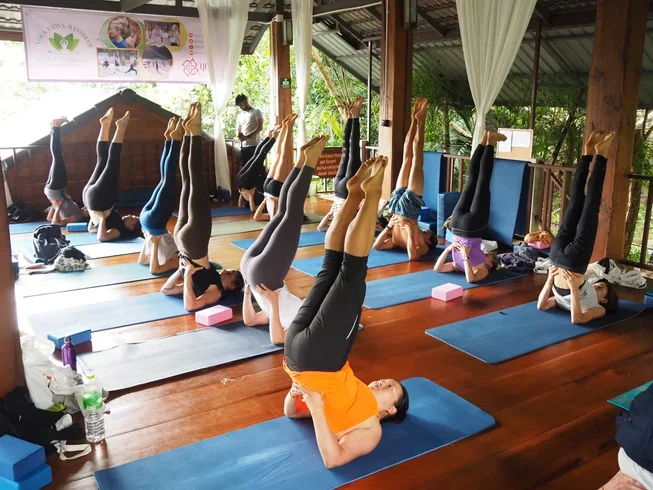
- Types of Hatha posture - standing poses, sitting poses, backward bending poses, forward bending poses, spinal twisting poses, fire series, inversion poses, Shavasana
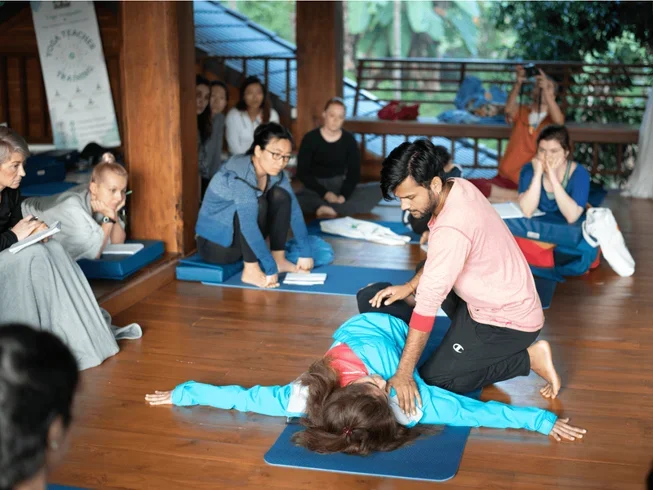
- Postural alignment and art of adjustment
- Counter pose
- Contraindications
Pranayama (the science of breathing)
- Science of breath
- Sitting postures for pranayama practice
- How to establish diaphragmatic breathing before pranayama practice
- 1:1, 1:2, and 1:4 breathing practices
- Types of pranayama - nadi shodhana pranayama, ujjayee, kapalabhati, bhastrika, shitali, shitkari, brahmari, and anuloma viloma
Bandhas (lock)
- Jalandhara bandha (chin lock)
- Uddiyana bandha (abdominal lock)
- Moola bandha (root lock)
Practice relaxation and yoga nidra
- Relaxation in daily life
- Tension and relaxation
- Systematic relaxation
- 31 points relaxation
- 61 points relaxation exercises
- Preparation for yoga nidra
Meditation
- What is meditation?
- Meditation in daily life
- Sitting positions for meditation
- Two to five minutes meditation
- So-ham mediation
Anatomy and physiology
- Introduction to anatomy and physiology
- Skeletal system
- Muscular system
- Nervous system
- Digestive system
- Endocrine system
- Cardiovascular system
- Effect of yoga posture on muscles and systems
- Nadis (energy channels)
- Chakras (energy plexus)
- Pancha tatwa (five great elements)
- Panchakosha (five sheaths)
- Pancha pranas (five vital energy)
Yoga philosophy
- General introduction: six school of Indian philosophy Samkhya and yoga
- Intro of Pattanjali yoga sutras
- Highlight of astanga yoga: yama, niyam, asana, pranayam, pratyahara, dharana, dhyana, and samadhi
- Introduction to Upanishad
- Life style and yoga ethics
Ayurveda
- Basic principle of ayurveda
- Basic doshas
- Tri-gunas
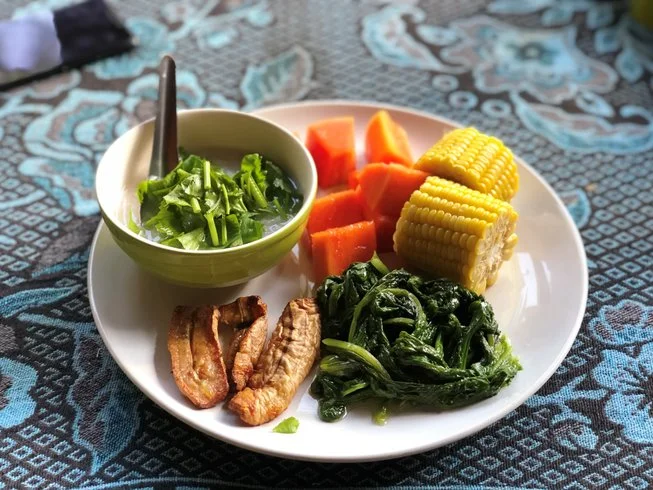
- Balance of the mind and Ayurvedic diet
Mudras
- Jnana mudra
- Dhyan mudra
- Vishnu mudra
- Hridaya mudra
Mantra chanting
- Om mantra
- Morning mantra
- Guru mantra
- Meal mantra
- Gayatri mantra and more
- Suryanamaskar mantras - 12 names of sun
Satkriya (cleaning)
Teaching methodology and home work
- Lesson plan
- Assignments
- Practice teaching
- Feedback
- Group discussion
- Question and answer
- Homework




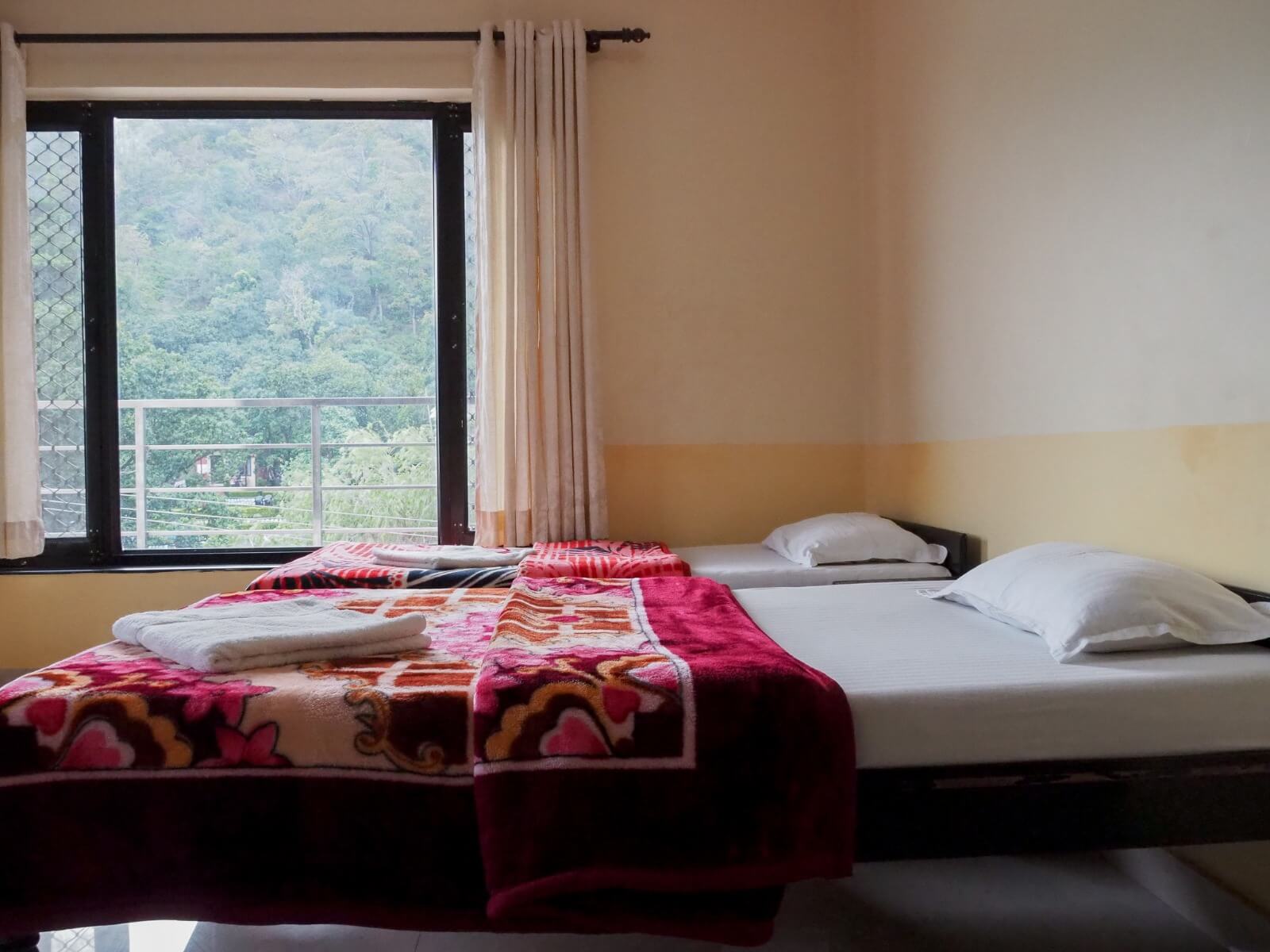
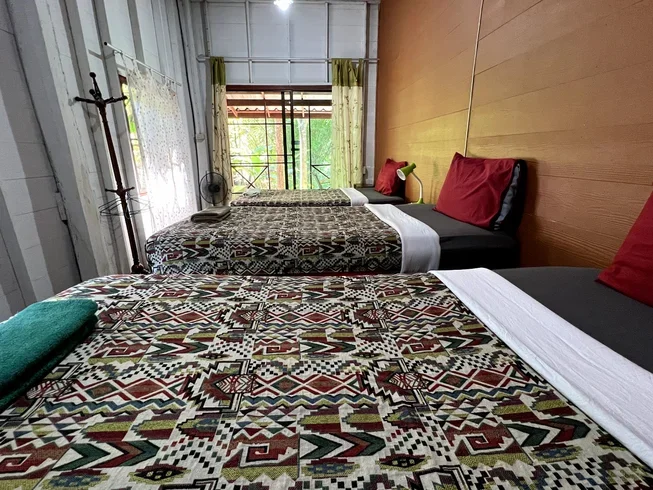
 Air Conditioner
 Laundry
 Wi-Fi
Wi-Fi
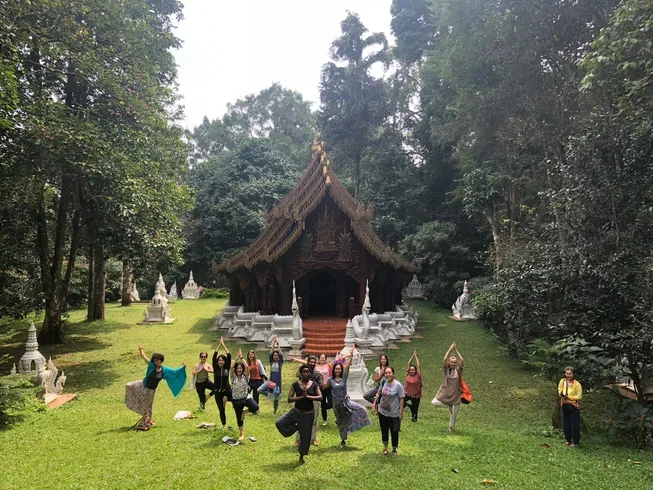
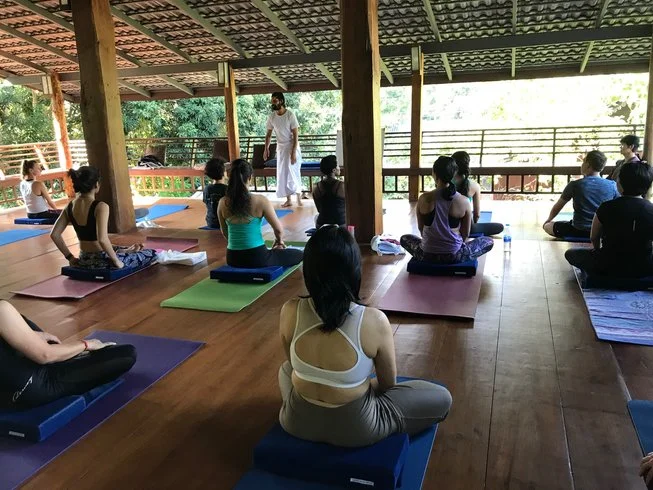
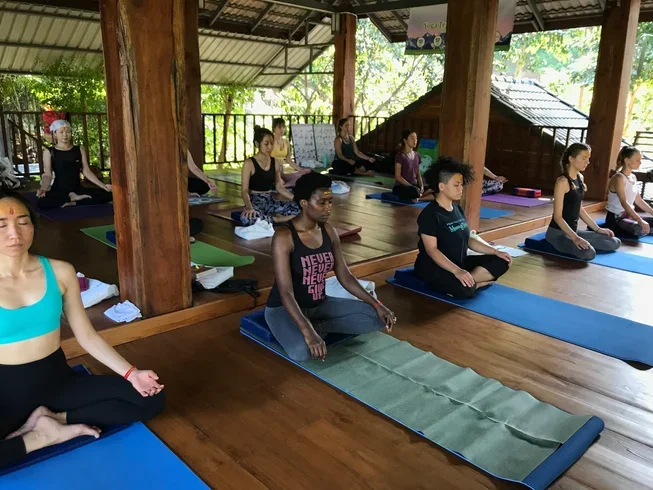
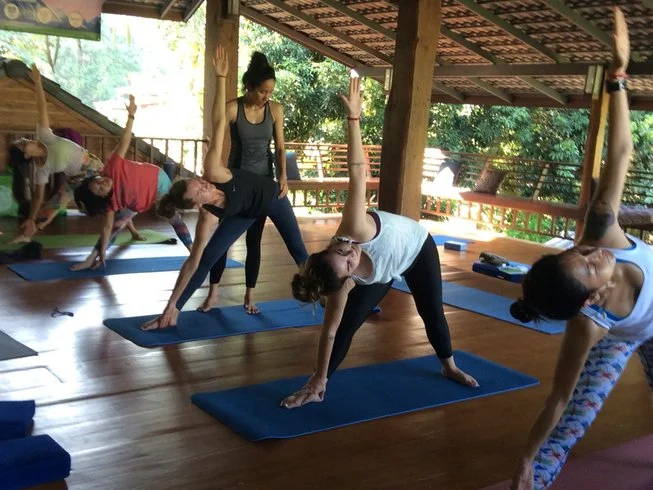
 Yoga Shala