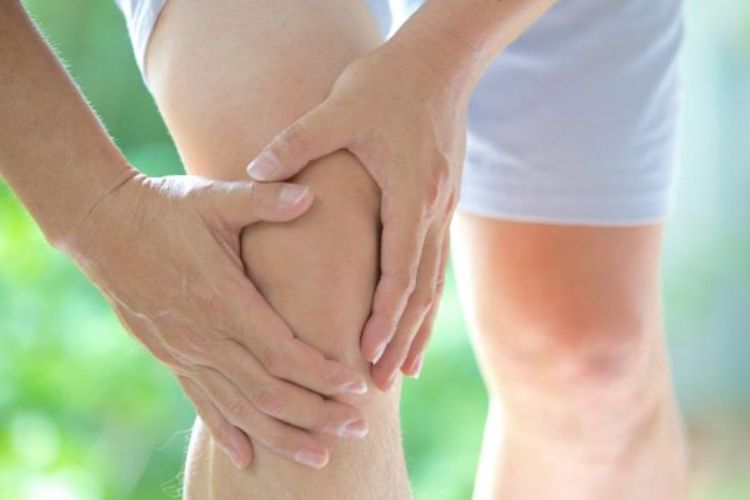
Osteoarthritis is referred to as degenerative arthritis or degenerative joint disease, known as Sandigata Vata in Ayurveda.
It is the most common type of Arthritis because it’s often caused by the wear and tear on a joint over a lifetime and causing pain, swelling and stiffness as bones rub together resulting in the process of gradual degeneration of the body. It is most often found in the hands, knees, hips and spine. The physical disability arising from pain and loss of functional capacity reduces the quality of life and rises in further morbidity.
Osteoarthritis (OA) is the second most common rheumatologic problem and it is the most frequent joint disease with a prevalence of 22% to 39% in India. OA is more common in women than men. Closely, 45% of women over the age of 65 years have symptoms while 70% of those over 65 years show radiological evidence of OA.
Factors that contribute to osteoarthritis include Heredity, sedentary lifestyle, obesity, joint overuse and injury. Patients who already have rheumatoid arthritis are more likely to develop osteoarthritis.
Some of the symptoms of osteoarthritis overlap with Rheumatoid arthritis, so it is important to schedule a consultation with a qualified physician who can diagnose your condition correctly.
Common symptoms of osteoarthritis include:
Stage 1 Osteoarthritis patients will advance to very minor wear & tear and bone spur growths at the end of the knee joints. However, at this stage, it is unlikely to feel pain or discomfort.
Stage 2 – Mild
In Stage 2, X-rays of knee joints will show more bone spur growth, though the gap between the bones appears normal, people will begin facing symptoms of joint pain. Normally, the area near to the knee joints will feel stiff and uncomfortable, particularly when sitting for a long period, after rising in the morning or after a workout, even cartilage and soft tissues are in healthy condition.
Stage 3 – Moderate
Stage 3 is where there is obvious erosion to the cartilage surface between bones and fibrillation narrows the gap between the bones. Bones advances to develop spurs at the joints as it becomes rougher.
With the advancement of osteoarthritis of the knee, there is obvious joint inflammation which causes frequent pain when walking, running, squatting, extending or kneeling. Along with joint stiffness after sitting for long or when waking up in the morning, there may be popping or snapping sounds when walking.
During this stage the joint space between the bones is considerably reduced, causing the cartilage to wear off, leaving the joint stiff. The breakdown of cartilage destroys the soft tissue around the joint leads to a chronic inflammatory response, with decreased synovial fluid that causes friction, greater pain and discomfort when walking or moving the joint.
The progressive stage of the disease shows the development of more spurs causing severe pain, which makes even everyday chores, including walking and descending stairs a challenge.
Ayurveda has focused not only on structural western diagnosis, but it also considers the causative factors like physiological, metabolic, excretory and mental functions, lifestyle, food habits and other factors which leads to the formation and progress of OA.
Ayurveda goal of Osteoarthritis treatment is not only to control symptoms but also to prevent disease progression, minimize disability, improve the quality of life and also to set right the above-said causative factors which lead to the formation of OA.
For Osteoarthritis, Ayurveda has broad spread treatments based on severity and stages of the disease from mild to severe.
In general, the treatment can be classified into the following types-
Ayurveda has various treatment modalities in treating OA. Type of treatment and its duration depends purely on the basis of severity of the disease.
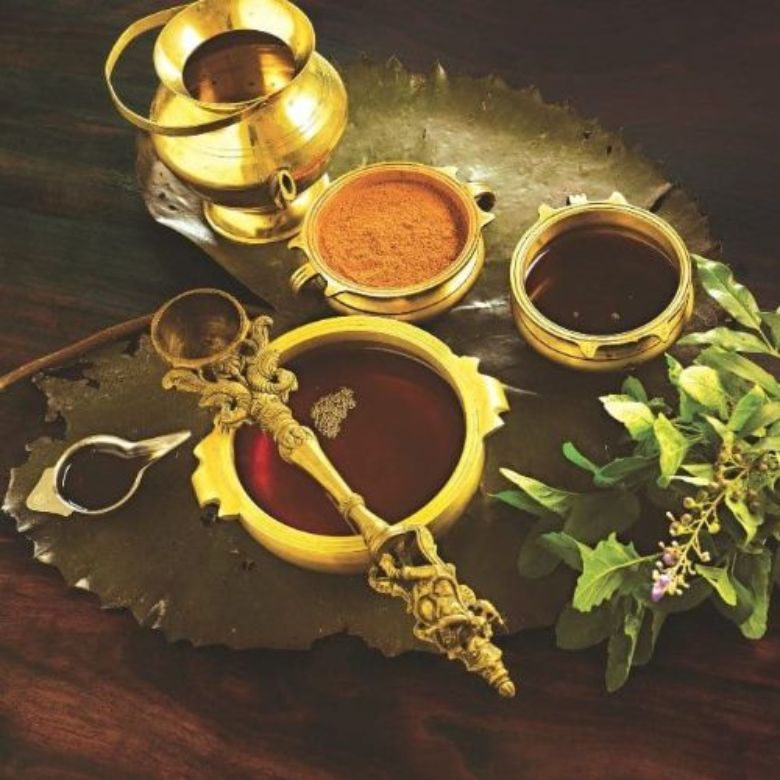
Ayurveda Panchakarma treatments makes surrounding tissue strong. That is muscles, ligaments and tendons that are responsible for joint stability. Recuperation of surrounding tissue of the joint helps to prevent or heal Osteoarthritis. Following are the multimodal Ayurveda treatments to treat OA-
Ayurveda internal medications in the form of Tablets, Capsules, Decoctions, Powders etc helps to treat OA.
Factors like obesity, Rheumatoid arthritis etc. are more likely to develop osteoarthritis. In such cases, treatments will be planned as to treat the primary condition along with osteoarthritis treatment.
Diet and lifestyle modifications
Based on individual and disease-specific gives better results in treating osteoarthritis.
Osteoarthritis is referred to as degenerative arthritis or degenerative joint disease, known as Sandigata Vata in Ayurveda.
It is the most common type of Arthritis because it’s often caused by the wear and tear on a joint over a lifetime and causing pain, swelling and stiffness as bones rub together resulting in the process of gradual degeneration of the body. It is most often found in the hands, knees, hips and spine. The physical disability arising from pain and loss of functional capacity reduces quality of life and rises in further morbidity.
Osteoarthritis (OA) is the second most common rheumatologic problem and it is the most frequent joint disease with a prevalence of 22% to 39% in India. OA is more common in women than men. Closely, 45% of women over the age of 65 years have symptoms while 70% of those over 65 years show radiological evidence of OA.
Factors that contribute to osteoarthritis include: Heredity, sedentary lifestyle, obesity, joint overuse and injury. Patients who already have rheumatoid arthritis are more likely to develop osteoarthritis.
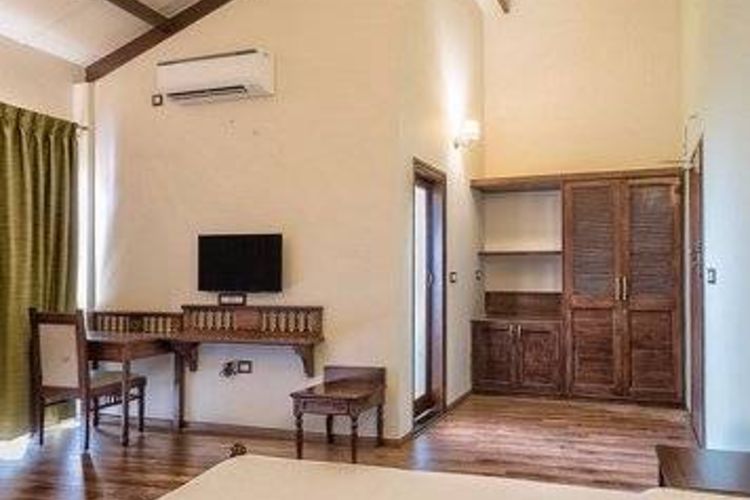
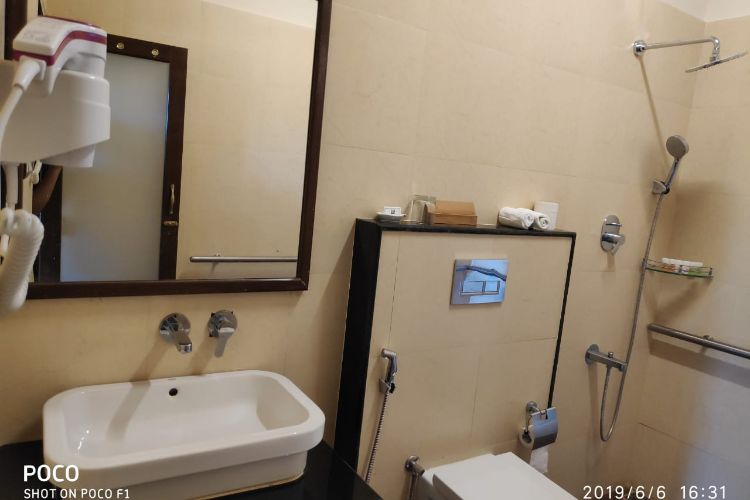
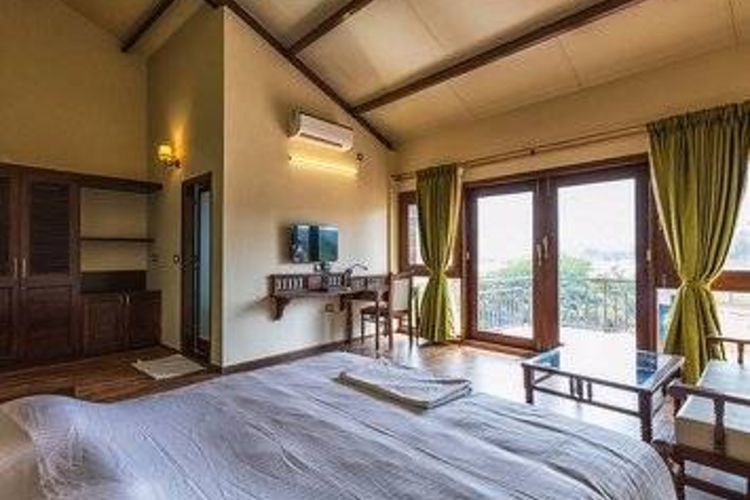
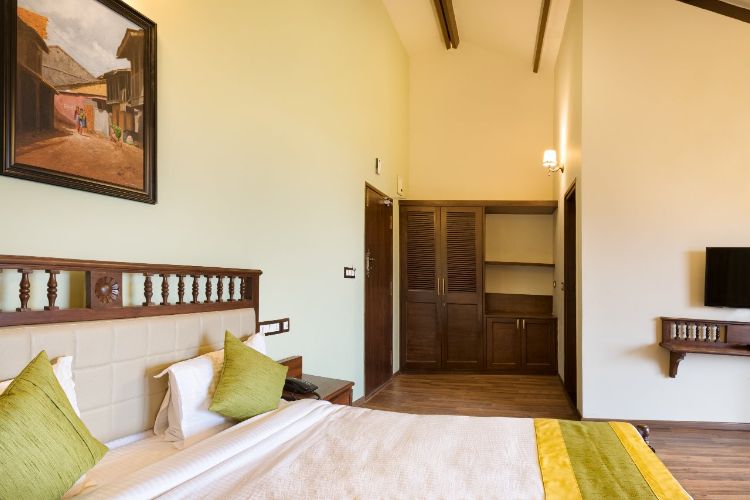
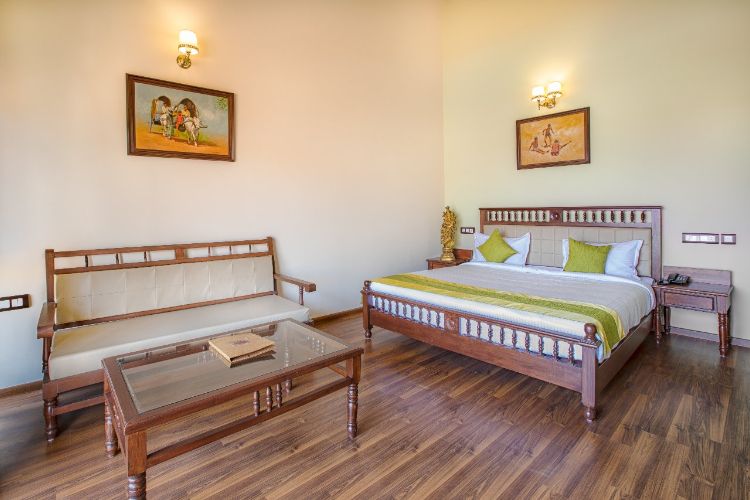
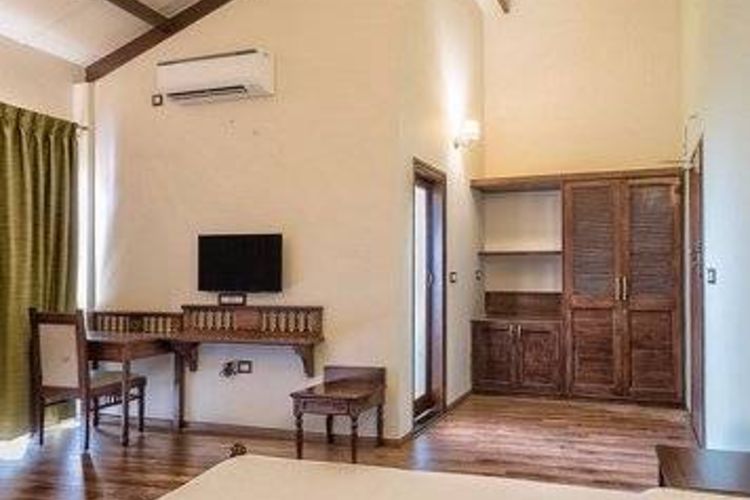
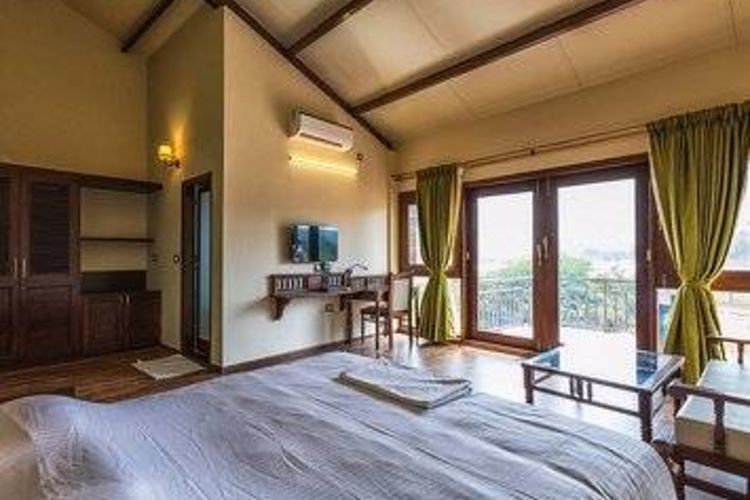
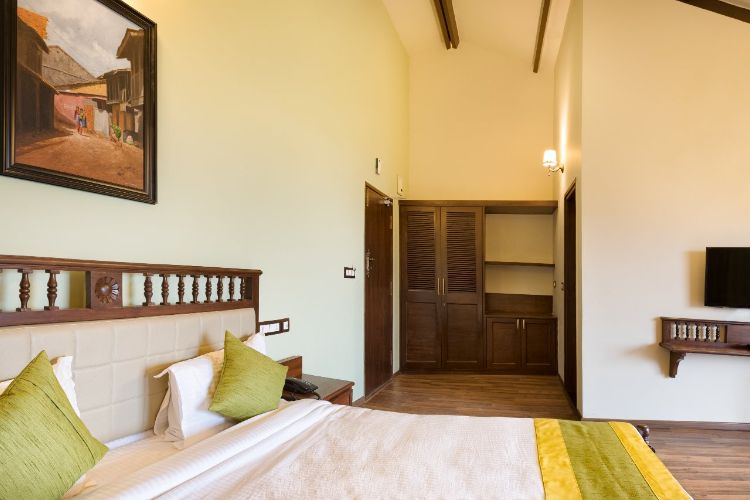
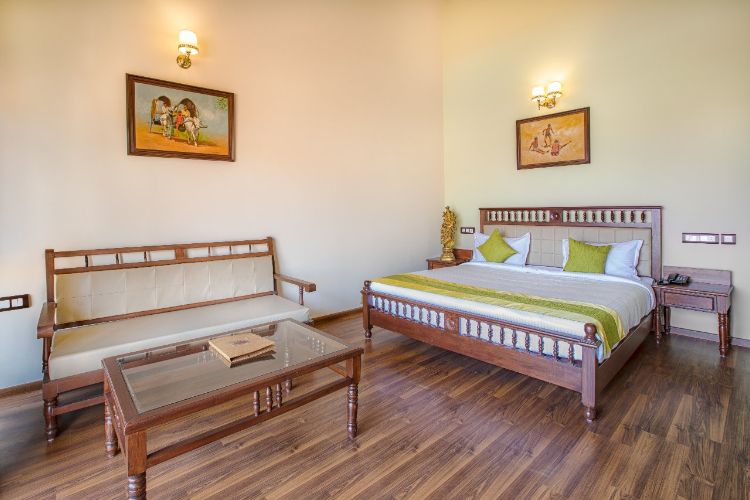
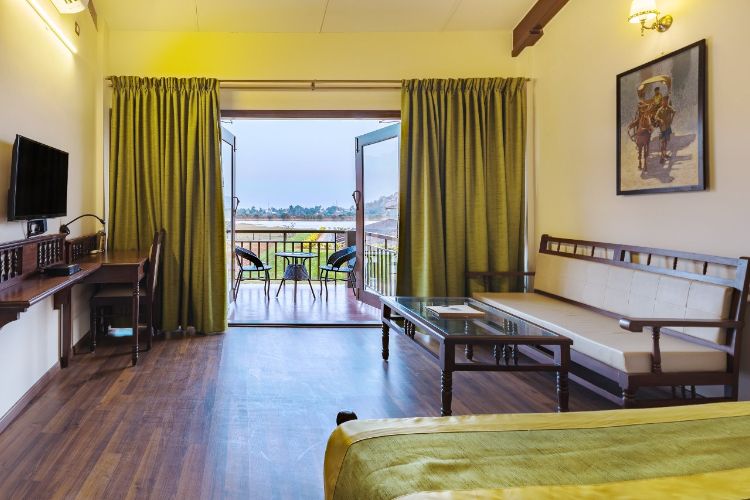
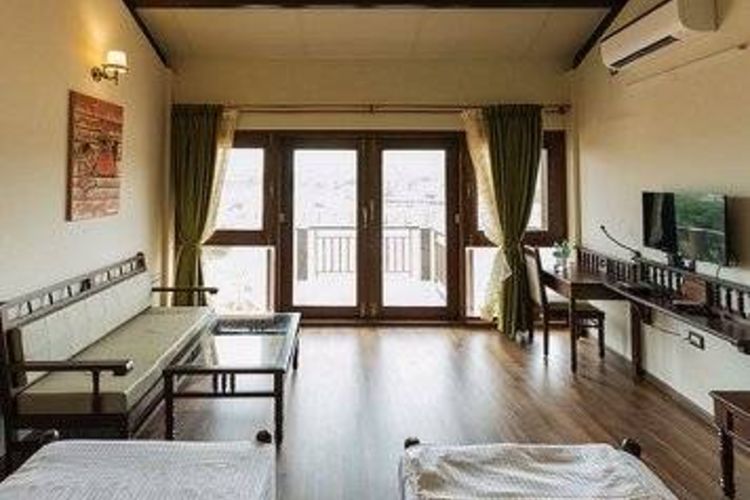
Choose your room below — pricing and availability update instantly in the booking panel.
The deposit is non-refundable, if the booking is cancelled. The rest of the payment should be paid on arrival.
by Vidya Ratna Ramayya Swamy
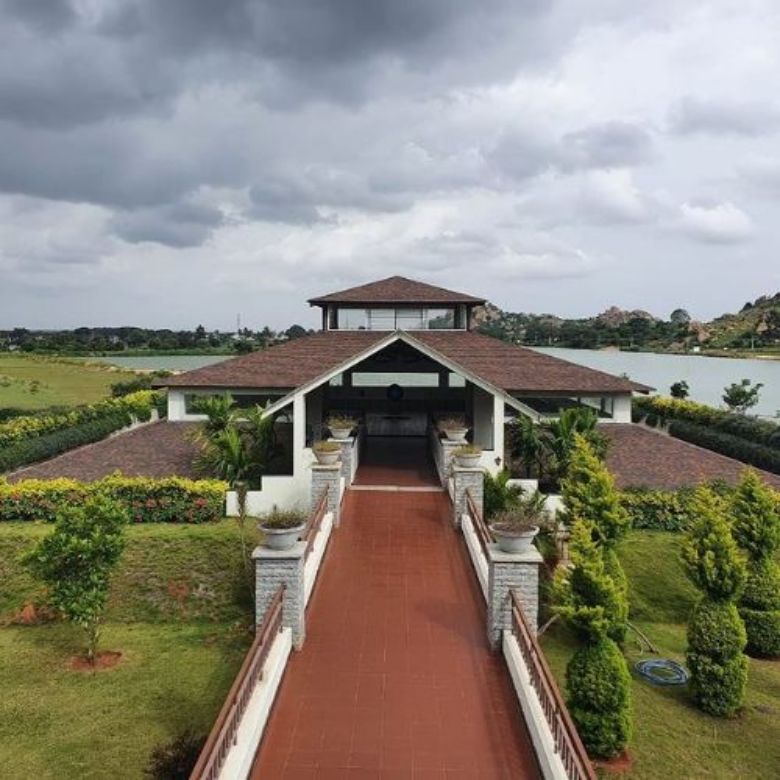
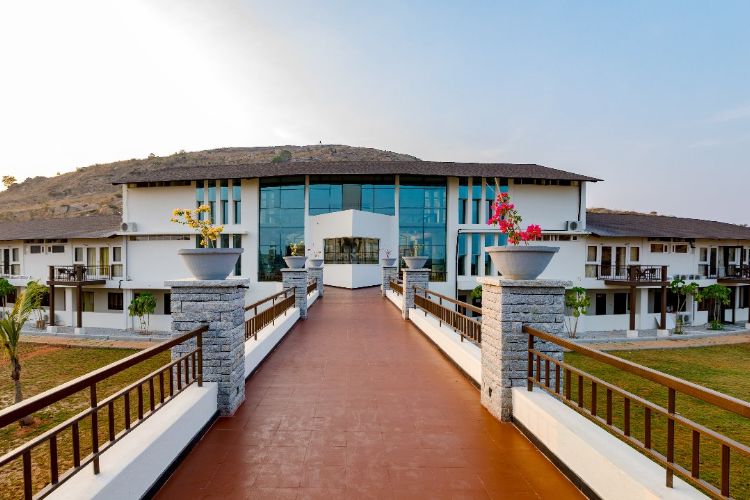
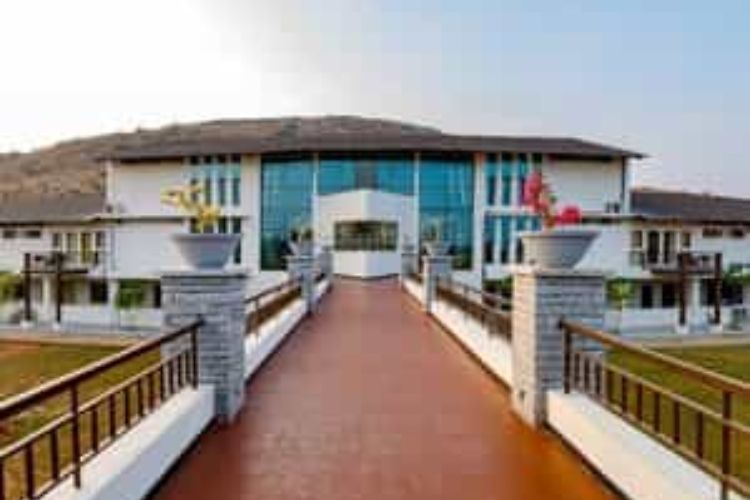
Shathayu Ayurveda Yoga Retreat in Bangalore is designed as per international standards without compromising on the environmental aspect. The retreat enjoys closeness with a four hundred old Thinmaraya Swamy (Balaji) Temple. As per the prevailing folklore, the cave formation at the temple’s base is believed to be Gautam Maharishi’s meditation spot.
Shathayu Ayurveda Yoga Retreat Bangalore is an offshoot of Shathayu Ayurveda Clinic, which has been in existence for 117 years. The clinic was started by Vidya Ratna Ramayya Swamy and had the privilege of treating the Royal Court of Nizam. The Ayurveda Yoga Retreat is based on the maxim of Heal together, live fuller – a philosophy that percolates through all its initiatives. Every program at the retreat is designed to encompass the physical, social, mental, spiritual, and lifestyle dimensions of well-being.
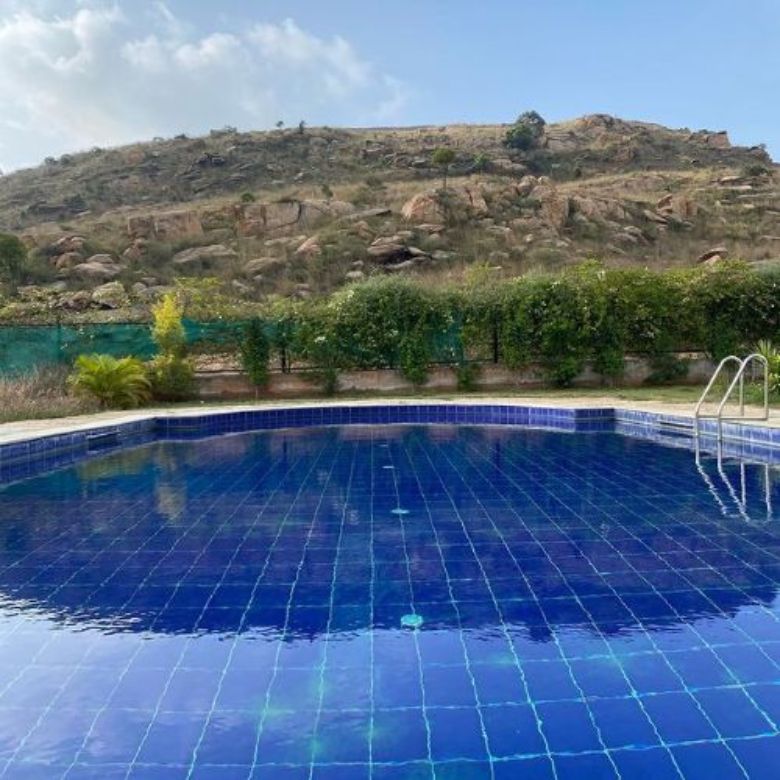
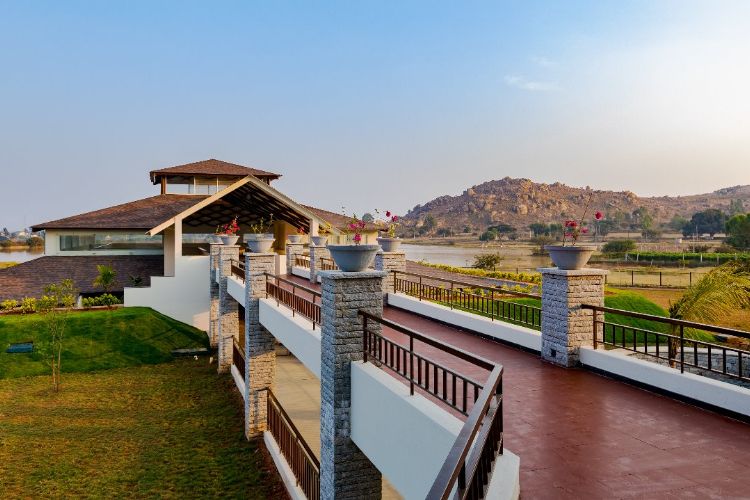
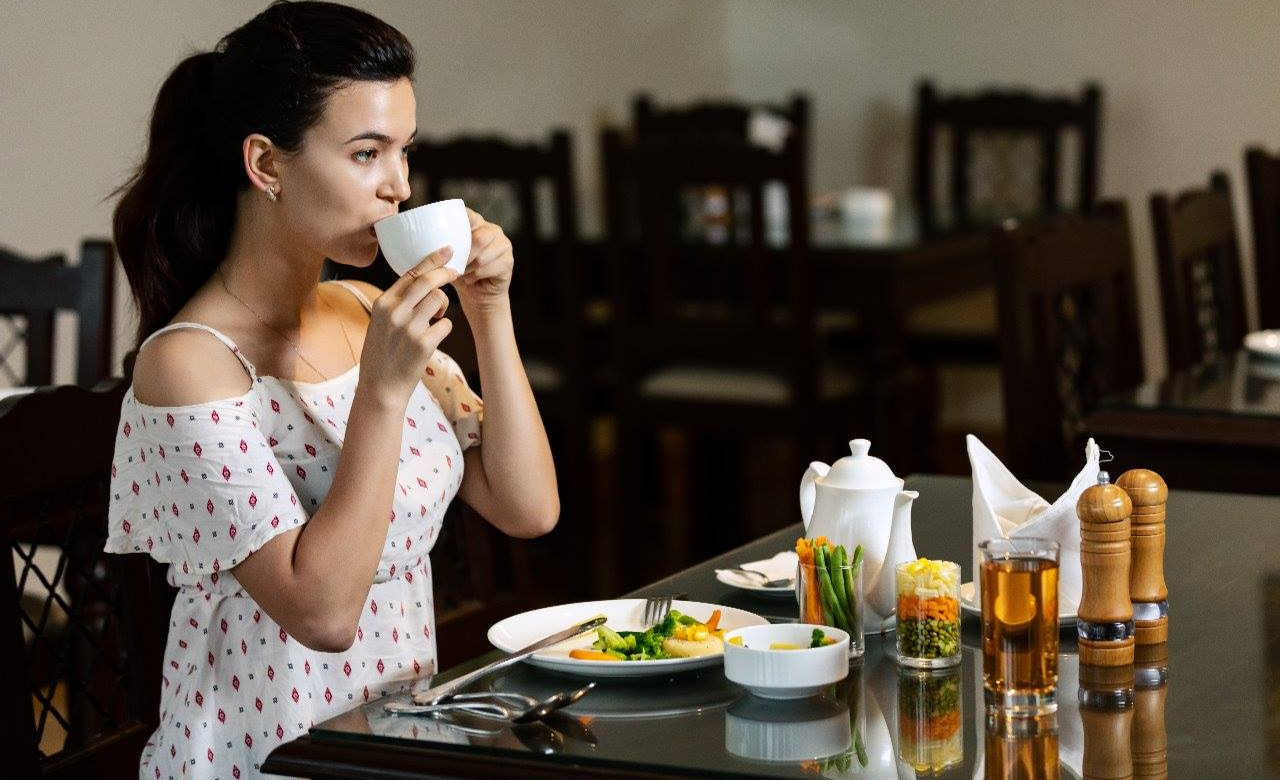
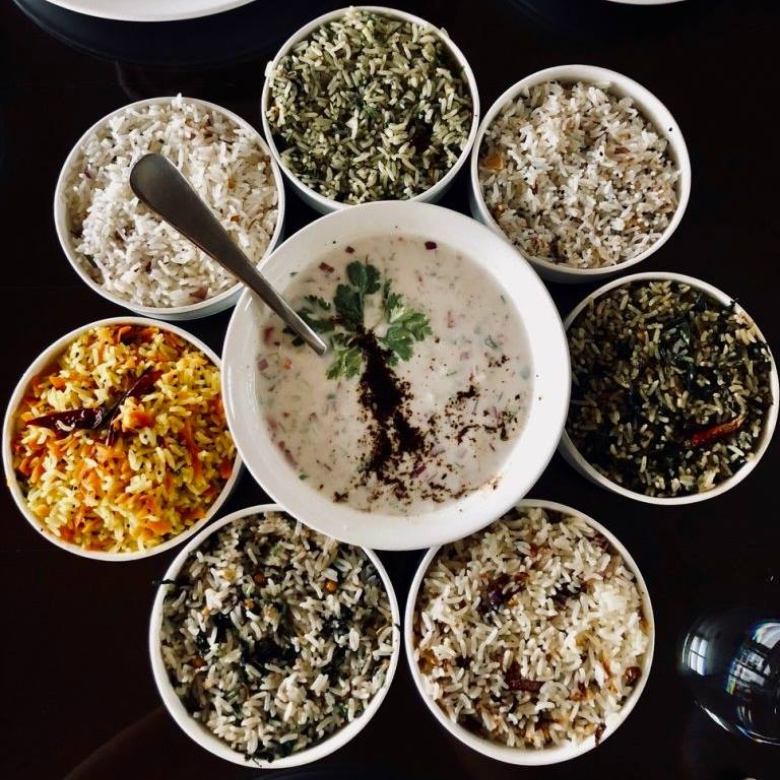
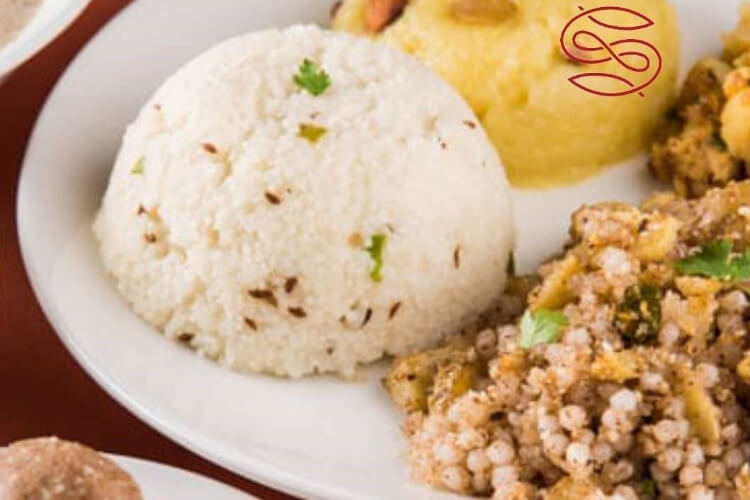
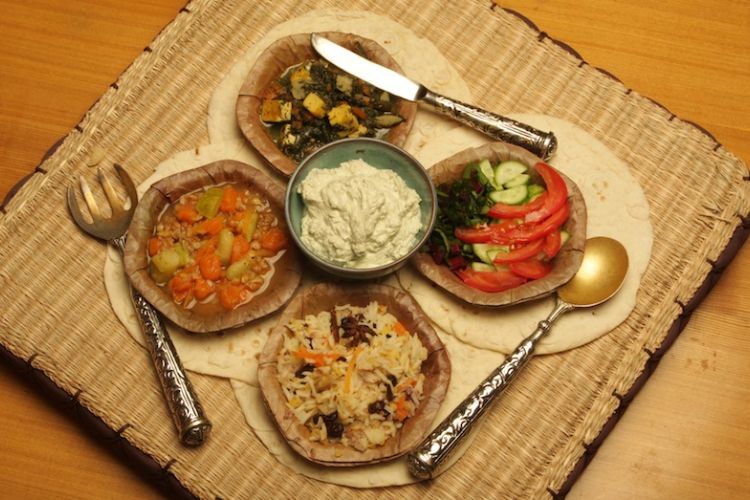
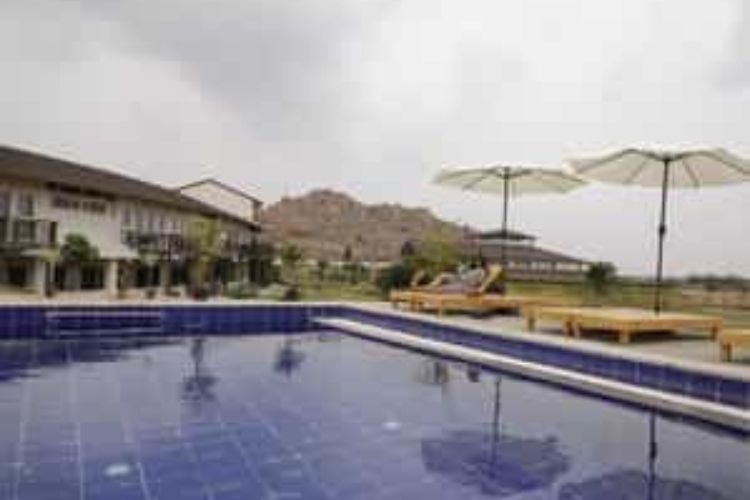
The centre is well furnished with a yoga hall and a treatment block, where one can take advantage of beneficial Ayurvedic, Naturopathy treatments along with the yoga practice. It is also surrounded by a hill and lake; thereby providing captivating views of nature till an eye can see. Shathayu Ayurveda Yoga Retreat believes in serving meals made using fresh seasonal produce. The retreat ensures that vegan palate is also catered to by offering meals in vegan options. The centre provides various packages specifically designed for ailments and concerns such as infertility, pain management, diabetes control, and more. Besides making a name for itself in India, it has carved out a niche for itself in Houston, Texas (USA) and Perth (Australia).
At Shathayu Ayurveda Yoga Retreat
Shathayu Ayurveda Yoga Retreat would be your ideal place to discover health and wellness.
 Air Conditioner
 Bath Tub
 Bathrobe
 Dryer
Dryer
 Electric Kettle
 Family friendly
 Hair Dryer
 Iron
Iron
 No Pets
 No Smoking
 Parking
 Spa
Spa
 Swimming Pool
 Taxi
Taxi
 Vegetarian
 Weighing Scale
 Wi-Fi
Wi-Fi
 Yoga Shala
Places are limited so please book early to avoid disappointment.