Ayurveda for Sinusitis
Sinusitis is swelling caused by the infection of the sinuses. It is generally occurred due to bacterial (germ) infection. Sometimes, viruses and fungi causes it. People with weak immune systems are more affected by bacterial or fungal sinus infection.
Sinusitis is an infection to the air cavities within the passages of the nose. It can be caused by infection, allergies, and chemical or particulate irritation of the sinuses.
The sinuses are four paired cavities in the head called as “Paranasal Sinuses”, which are connected by narrow passages. The sinuses make thin mucus that drains out of the passages of the nose. This drainage helps to keep the nose clean and free of bacteria. These cavities are located at:
Some people have physical body defects that leads to sinus infection. The most common of these defects are:
Abnormality of the bony partition between the two nasal passages
Nasal polyps – There is a growth in nasal passage that contain mucus
Narrow sinus openings
People with these defects regularly suffer from chronic sinus infections.
Sinusitis Causes
Sinusitis can occur from various factors, but every time, it results from fluid becoming trapped in the sinuses. This results in the growth of germs.
Viruses
In adults, most of the sinusitis cases result from a virus
Bacteria
In adults, out of 10 cases at least 1 case is caused by bacteria
Pollutants
Chemicals or irritants in the air can cause a build-up of mucus
Fungi
As in allergic fungal sinusitis (AFS), the sinuses either react to fungi in the air or they are invaded by fungi, as in chronic indolent sinusitis.
Symptoms for Sinusitis
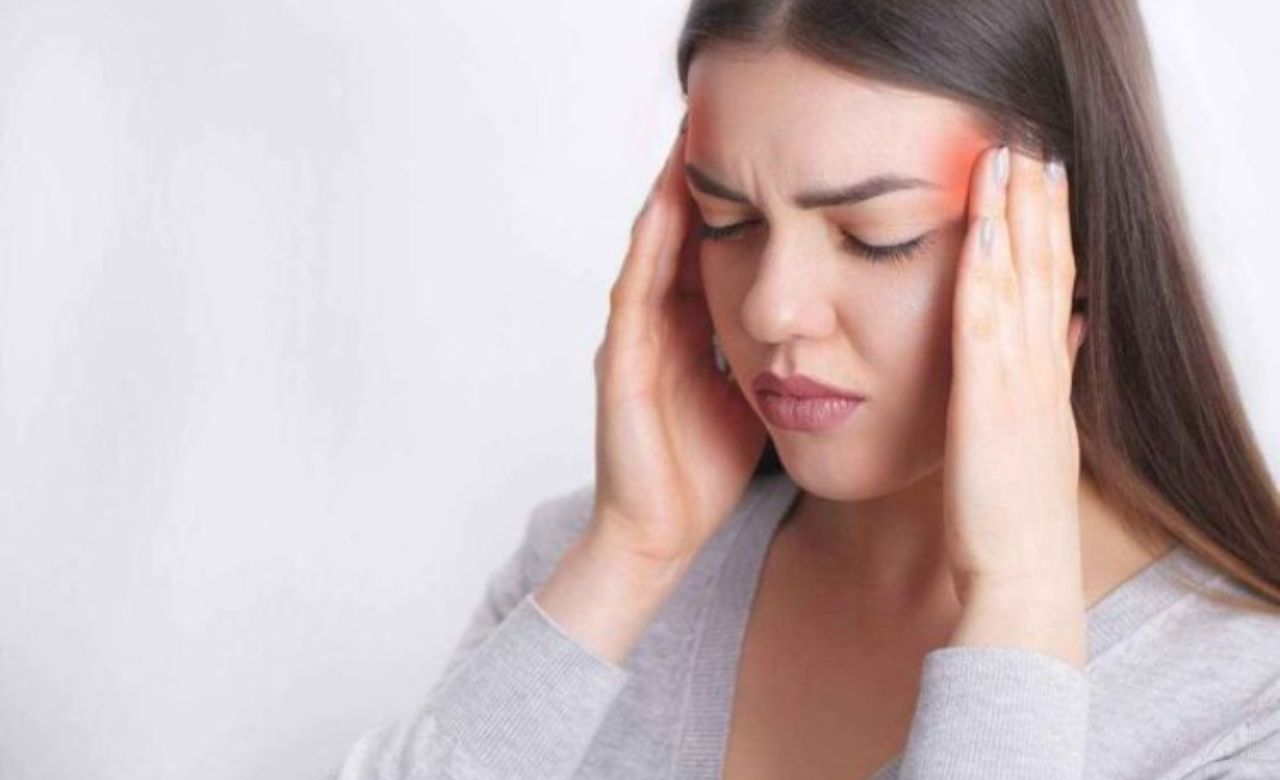
Headache – partially pressure or completely blocked sinuses.
Facial tenderness or swelling – when facial areas over sinus areas are touched.
Pressure or pain – mucus pressing on sinus tissue or inflammation of sinuses.
Fever – sinus infection.
Congestion – nasal stuffiness, occurs with both infectious and non-infectious sinusitis.
Post nasal drip – mucus overproduction from sinusitis that irritates throat tissue.
Sore throat – throat tissue inflammation by post nasal drip.
Cough – body’s attempt to clear out throat tissue irritants.
Tooth pain, ear pain and eye pain – pressure on surrounding nerves and tissues
Fatigue – fever, immune response and/or coughing
Bad breath – due to bacterial infections
Itching/sneezing – In non-infectious sinusitis, other associated allergy symptoms of itching eyes and sneezing may be common.
Ulceration – occurs with rare fungal infections with sharply defined edges and a black, necrotic centre in the nasal area.
Multiple chronic – symptoms usually are a sign of subacute or chronic sinusitis.
Types of Sinusitis
Acute sinusitis
Acute sinusitis has the shortest duration which is due to viral infection brought on by the common cold can cause symptoms that last for 1 or 2 weeks. Acute sinusitis can also occur due to Seasonal allergies.
Subacute sinusitis
Subacute sinusitis symptoms can last up to 3 months. This condition commonly causes with bacterial infections or seasonal allergies.
Chronic sinusitis
Chronic sinusitis occurs due to an infection, growths in the sinuses (nasal polyps) or swelling of the lining of your sinuses. The symptoms of Chronic sinusitis last for more than 3 months which are less severe. Bacterial infection can cause Chronic sinusitis.
Infected sinusitis
Generally, Infected sinusitis is caused by uncomplicated virus infection. Subacute and chronic forms of sinus infection are the cause of incomplete treatment of an acute sinus infection.
Non-infectious sinusitis
Non-infectious sinusitis occurs due to irritants and allergic conditions which has same timeline as for chronic, acute and subacute sinusitis.
Ayurveda for Sinusitis
The clinical features of sinusitis bear resemblance with “Suryavarta” as described in the Ayurvedic texts. According to Ayurveda, the main dosha involved is Vata and Kapha dosha.
The waste product mixed with Shleshaka Kapha in the sinus area, causing an even more toxic, sticky mucus called Shleshma, when both sub-doshas are concurrently imbalanced.
Ayurveda for Sinusitis treatment
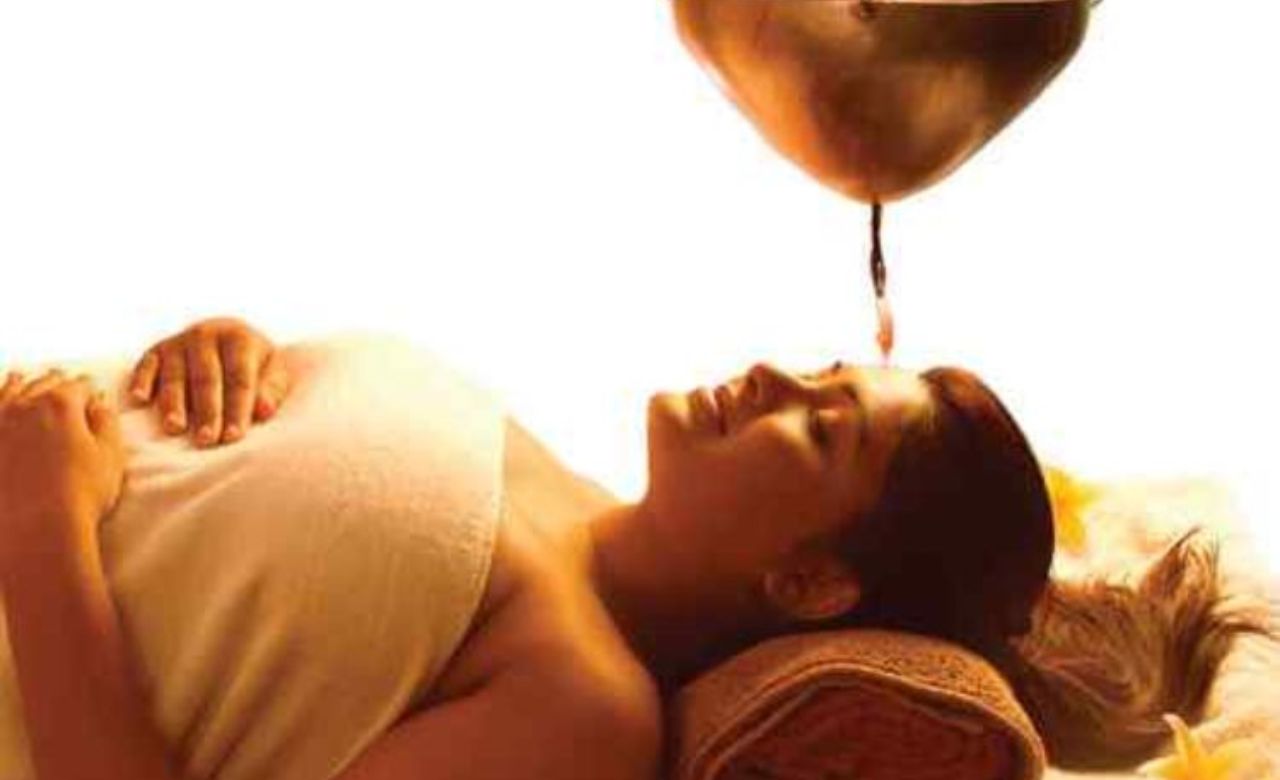
Ayurvedic for sinusitis treatment comprises of softening and expelling aggravated doshas with the use of certain Ayurvedic herbs and diet as well as nasal therapies and applications.
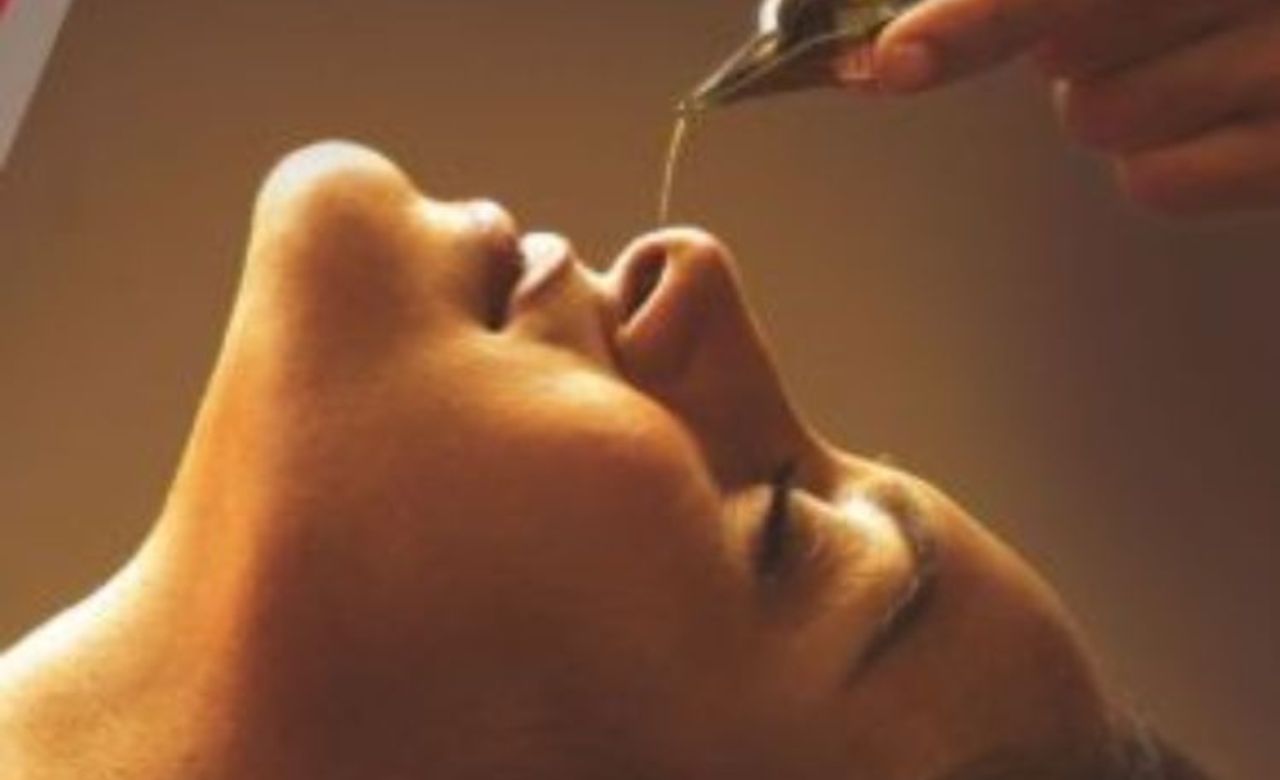
Panchakarma treatment of Nasya
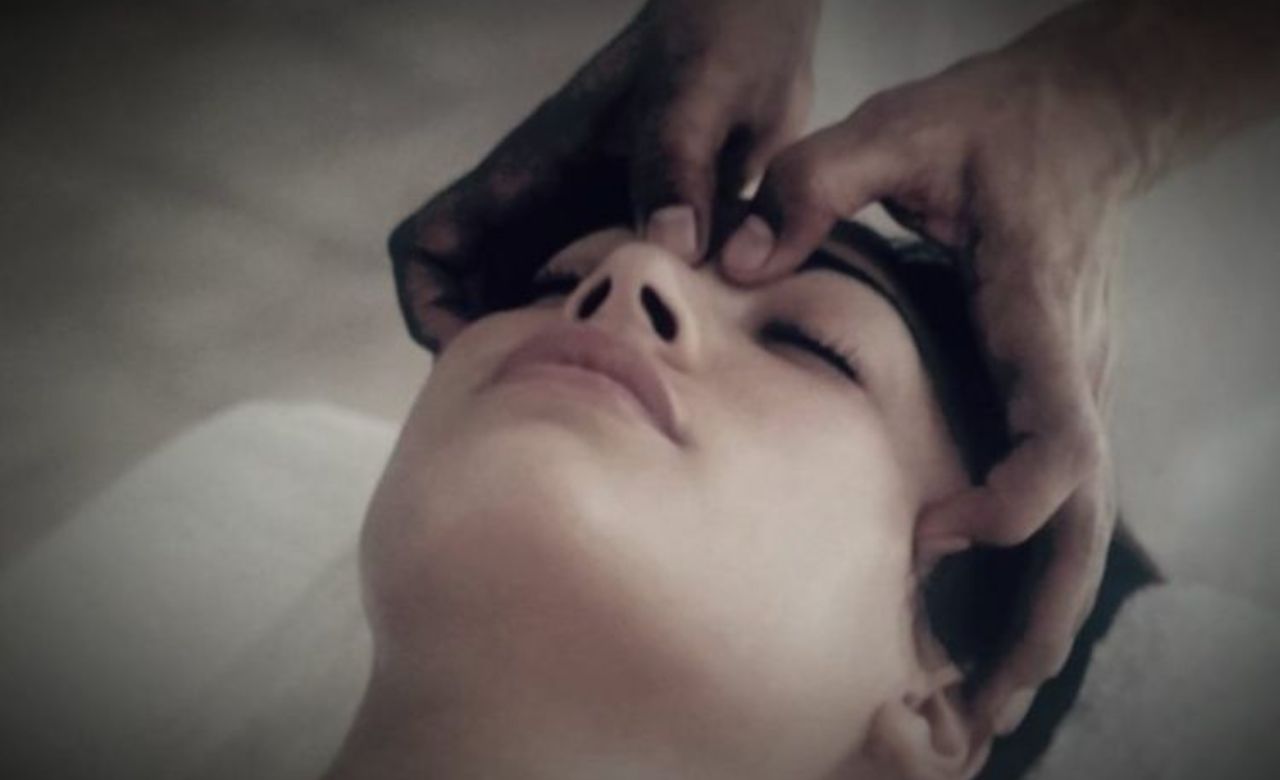
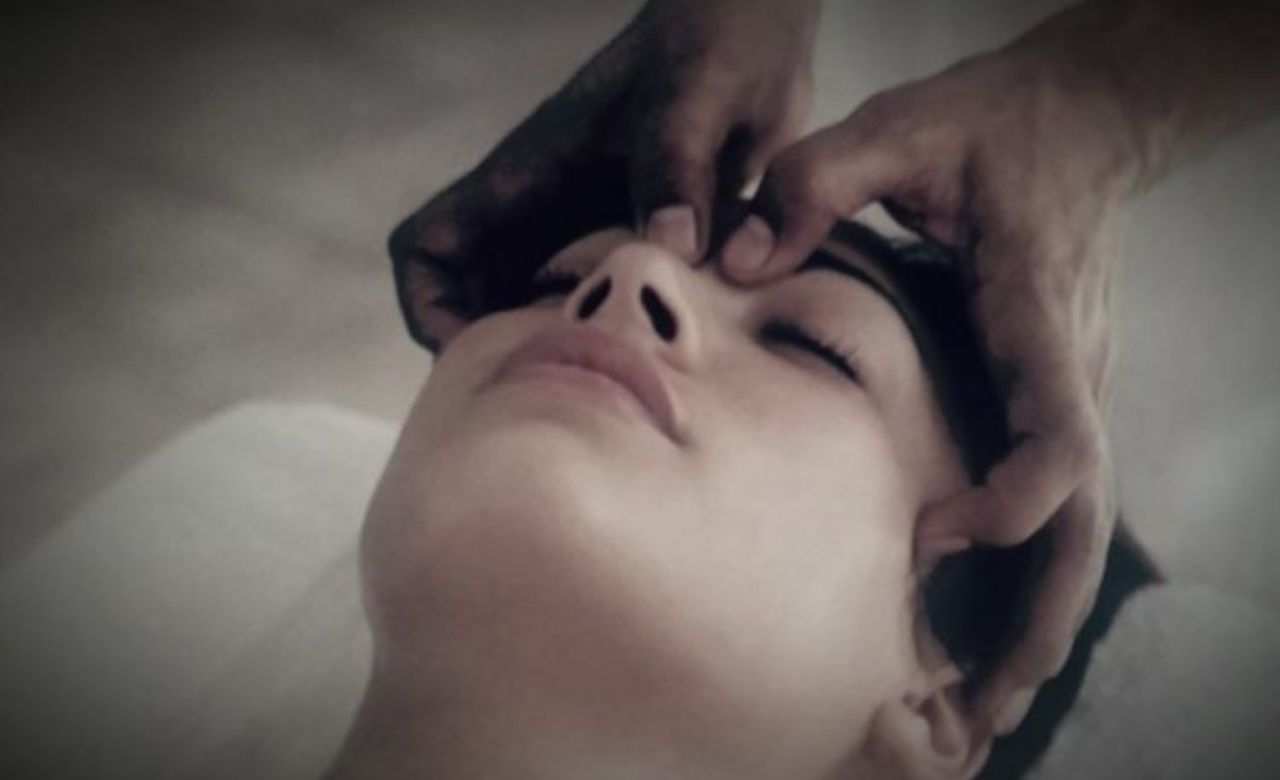
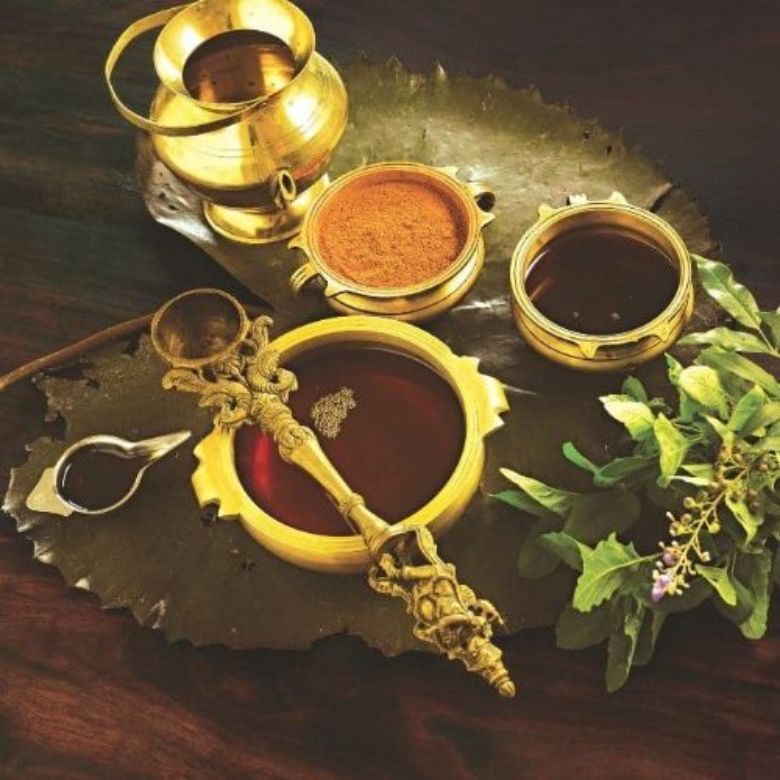
Nasya therapy(shiro virechana): Herbal powders, oils and herbs are administered via the nostrils to stimulate the secretion of mucus and thereby dissolve and loosen mucus lodged in the nasal and sinus passages.
A vigorous head massage, medicated steam inhalation are applied to the head and face prior to this treatment. It is often given before or after the main detox therapy.
Dhumapana with Haridra churnam
Nasal passage can be cleared and reduce the kapha.
Nasal steam inhalation
One drop , mixture of Camphor, Menthol, etc. steam should be inhaled twice daily. This will reduce congestion.
Ayurvedic Medicines
One drop is a product made out of natural herbal extracts is a result of over 110 years intense research in Shathayu. Just few drops are sufficient to decongest the nose & chest. Its penetrating vapours give you instant relief from headache and heaviness often caused by sinusitis, cold and congestion
Lakshmi Vilas Ras – Helps to treat headache, pain in forehead, nasal allergy can be relieved. It also helps to build up the immunity if used for a long period.
Nasal Cleansing Exercise
Jalaneti is a more effective Yogic practice to cure headaches, cough & cold and sinusitis.
Yogasanas that are useful are Bhujangasana, Sarvangasana, Uttanasana etc.
Step 1:
To balance the Prana Vata and Shleshaka Kapha by following a Vata-Kapha pacifying diet. Eat foods that are not too hot, and also not too cold.
Step 2:
Drink plenty of water mixed with spices, to purify the sinuses of toxins. Use Steam
Step 3:
The body should be detoxified to re-establish a balanced environment in the sinus area.
Sinusitis is swelling caused by the infection of the sinuses. It generally occurred due to bacterial (germ) infection. Sometimes, viruses and fungi cause it. People with weak immune systems are more affected by a bacterial or fungal sinus infections.
Sinusitis is an infection of the air cavities within the passages of the nose. It can be caused by infection, allergies, and chemical or particulate irritation of the sinuses.
The sinuses are four paired cavities in the head called as “Paranasal Sinuses”, which are connected by narrow passages. The sinuses make thin mucus that drains out of the passages of the nose. This drainage helps to keep the nose clean and free of bacteria. These cavities are located at:
Some people have physical body defects that lead to sinus infections. The most common of these defects are:
Sinusitis can occur from various factors, but every time, it results from fluid becoming trapped in the sinuses. This results in the growth of germs.
In adults, most of the sinusitis cases result from a virus
In adults, out of 10 cases at least 1 case is caused by bacteria
Chemicals or irritants in the air can cause a build-up of mucus
As in allergic fungal sinusitis (AFS), the sinuses either react to fungi in the air or they are invaded by fungi, as in chronic indolent sinusitis.
The clinical features of sinusitis bear a resemblance with “Suryavarta” as described
in the Ayurvedic texts. According to Ayurveda, the main dosha involved is vata and kapha dosha.
The waste product is mixed with Shleshaka Kapha in the sinus area, causing an even more toxic, sticky mucus called Shleshma, when both sub-doshas are concurrently imbalanced.
Ayurvedic Treatment for Sinusitis comprises softening and expelling aggravated doshas with the use of certain Ayurvedic herbs and diet as well as nasal therapies and applications.
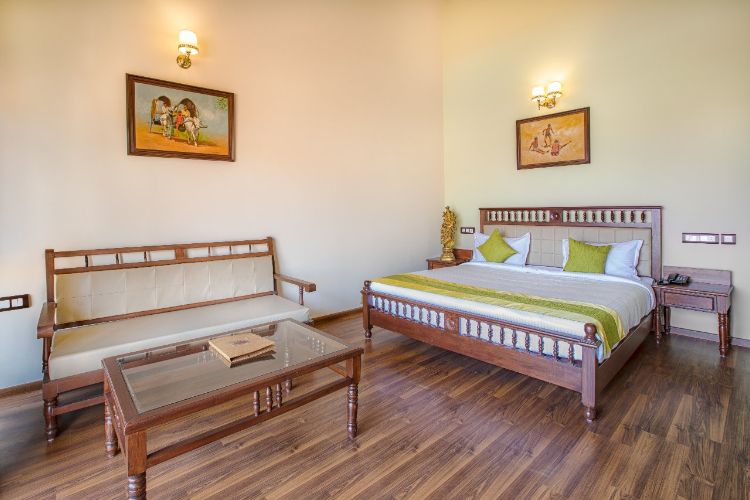
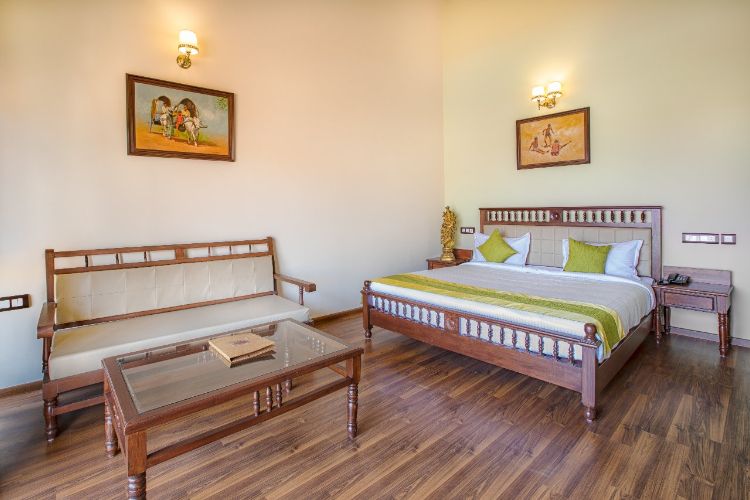
Choose your room below — pricing and availability update instantly in the booking panel.
The deposit is non-refundable, if the booking is cancelled. The rest of the payment should be paid on arrival.
by Vidya Ratna Ramayya Swamy
Shathayu Ayurveda Yoga Retreat in Bangalore is designed as per international standards without compromising on the environmental aspect. The retreat enjoys closeness with a four hundred old Thinmaraya Swamy (Balaji) Temple. As per the prevailing folklore, the cave formation at the temple’s base is believed to be Gautam Maharishi’s meditation spot.
Shathayu Ayurveda Yoga Retreat Bangalore is an offshoot of Shathayu Ayurveda Clinic, which has been in existence for 117 years. The clinic was started by Vidya Ratna Ramayya Swamy and had the privilege of treating the Royal Court of Nizam. The Ayurveda Yoga Retreat is based on the maxim of Heal together, live fuller – a philosophy that percolates through all its initiatives. Every program at the retreat is designed to encompass the physical, social, mental, spiritual, and lifestyle dimensions of well-being.
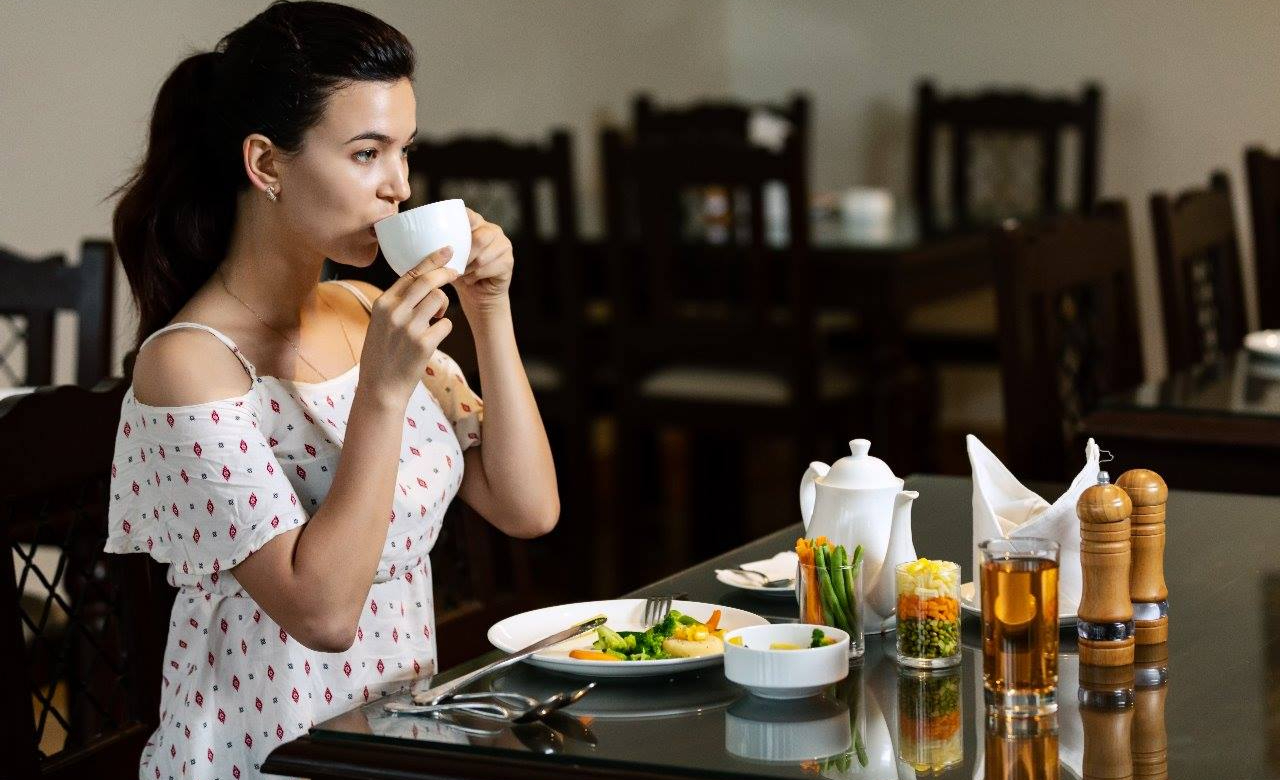
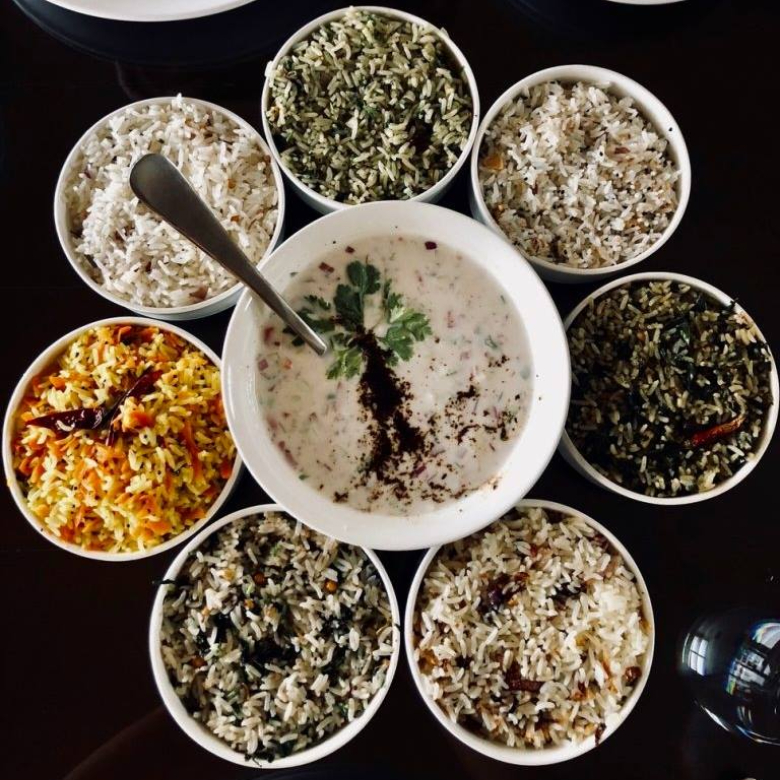
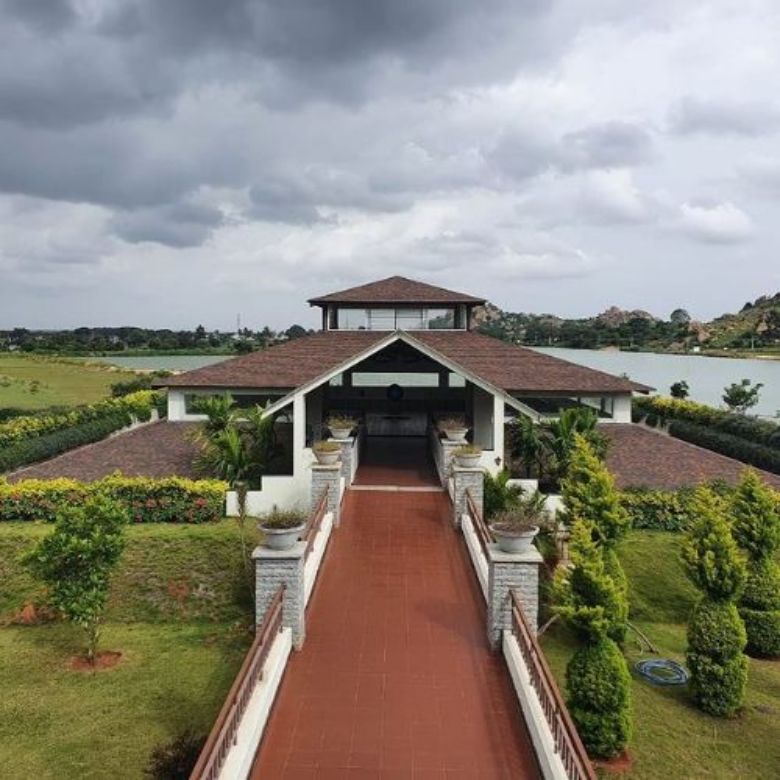
The centre is well furnished with a yoga hall and a treatment block, where one can take advantage of beneficial Ayurvedic, Naturopathy treatments along with the yoga practice. It is also surrounded by a hill and lake; thereby providing captivating views of nature till an eye can see. Shathayu Ayurveda Yoga Retreat believes in serving meals made using fresh seasonal produce. The retreat ensures that vegan palate is also catered to by offering meals in vegan options. The centre provides various packages specifically designed for ailments and concerns such as infertility, pain management, diabetes control, and more. Besides making a name for itself in India, it has carved out a niche for itself in Houston, Texas (USA) and Perth (Australia).
At Shathayu Ayurveda Yoga Retreat
Shathayu Ayurveda Yoga Retreat would be your ideal place to discover health and wellness.
 Air Conditioner
 Bath Tub
 Bathrobe
 Dryer
Dryer
 Electric Kettle
 Family friendly
 Hair Dryer
 Iron
Iron
 No Pets
 No Smoking
 Parking
 Spa
Spa
 Swimming Pool
 Taxi
Taxi
 Vegetarian
 Weighing Scale
 Wi-Fi
Wi-Fi
 Yoga Shala
Places are limited so please book early to avoid disappointment.