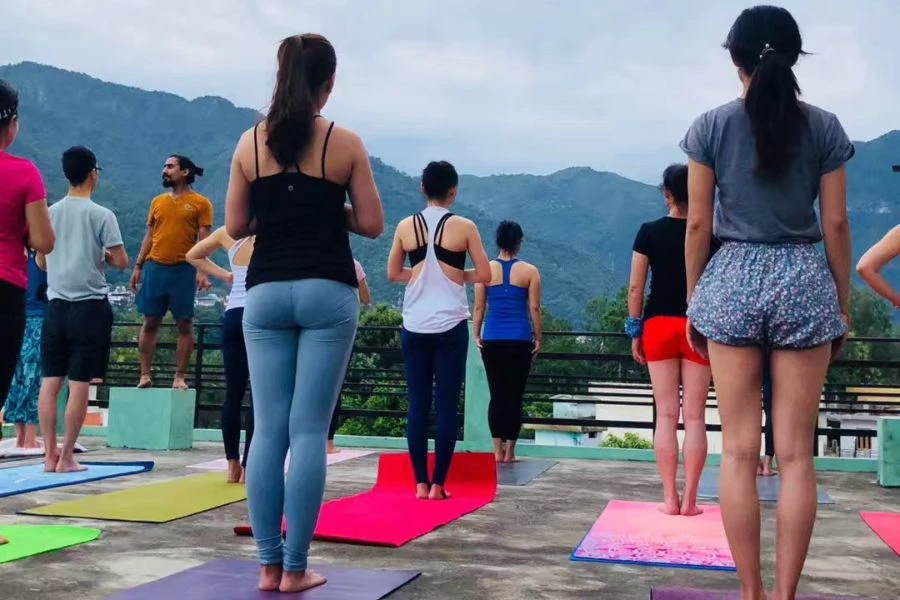
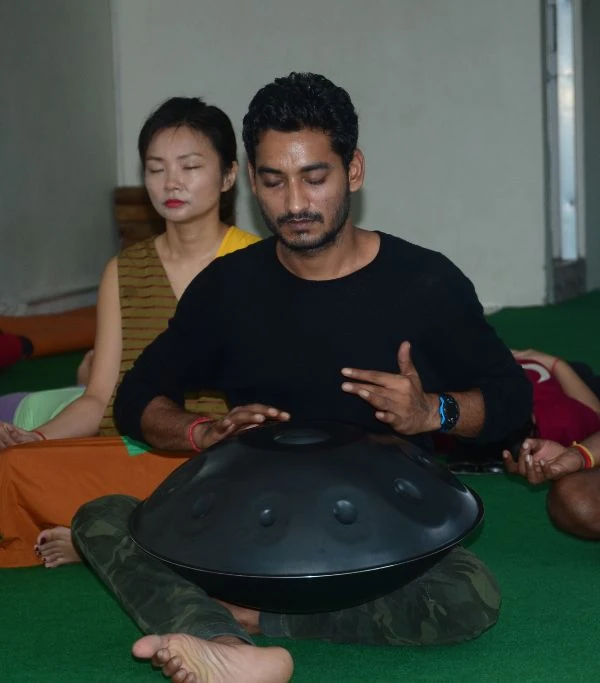
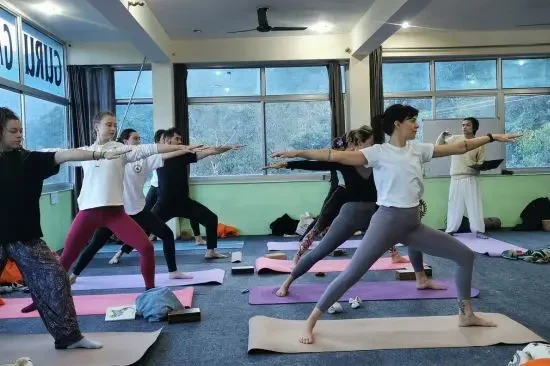
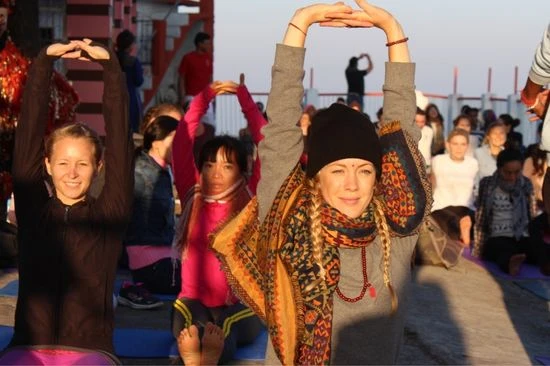
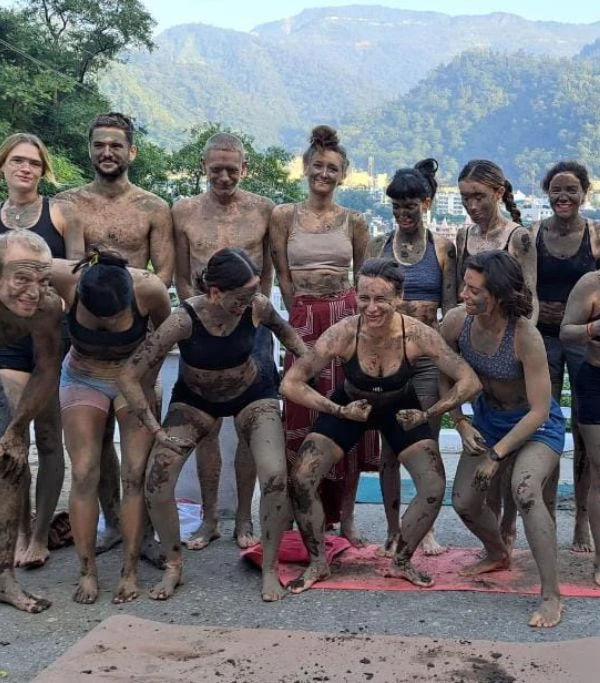
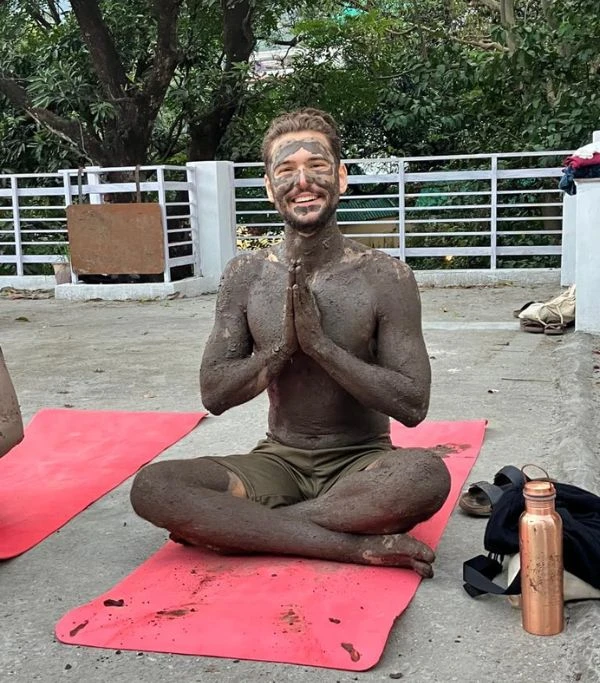
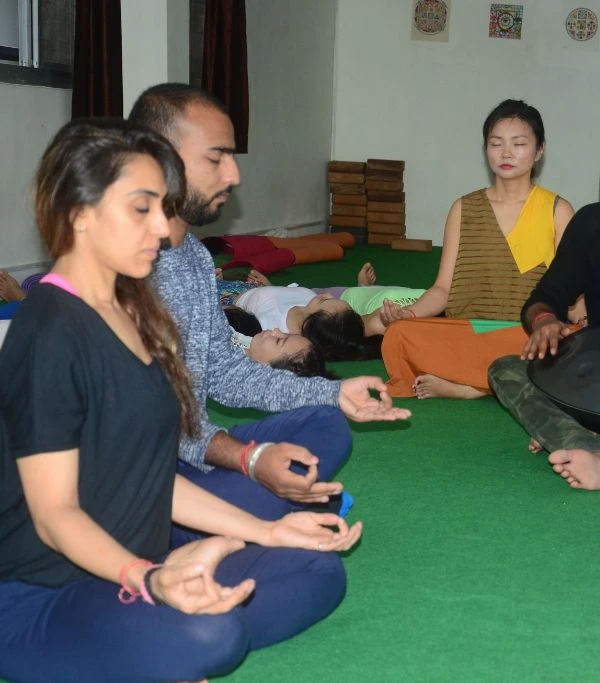
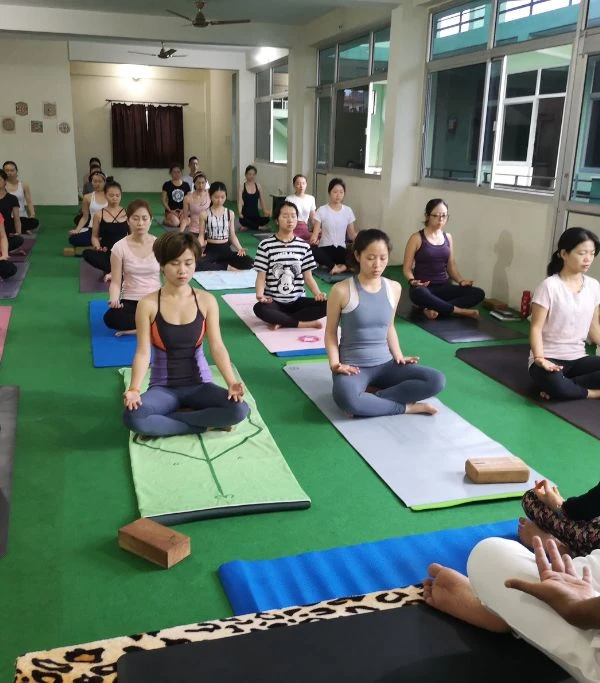
This budget friendly 200 hour yoga teacher training Course in Rishikesh covers a lot, and includes classes on Meditation, Pranayama, Mantra chanting, Shatkriya, Hatha yoga , Ashtanga Vinyasa yoga, Anatomy, Yoga philosophy, Yoga Teaching Methodology, Adjustment & Alignment, Kundalini Yoga, Reiki and Ayurveda.
Enroll in our 200 hour yoga teacher training course and gain a comprehensive understanding of Yoga and Ayurveda foundations, as well as an in-depth knowledge of Kundalini and Reiki, and their application for self-healing, spiritual awakening, and facilitating others.
05:30 Morning tea
06:00 Shatkriya
06:30 - 08:00 Hatha yoga class
08:00- 09:00 Pranayama/Kundalini
09:00 - 10:00 Breakfast / tea
10:00 - 11:00 Mantra/anatomy/teaching methodology/Adjustment
11:30 - 12:30 Kundalini/Ayurveda
13:00 - 15:00 Lunch / rest
15:00 -16:00 Philosophy
16:00 -16:30 Tea Break
16:30 - 18:00 Ashtanga Vinyasa
18:30 - 19:30 Meditation/Yoga Nidra
19:30 - 21:00 Dinner
200 Hour Yoga Teacher Training Course Program
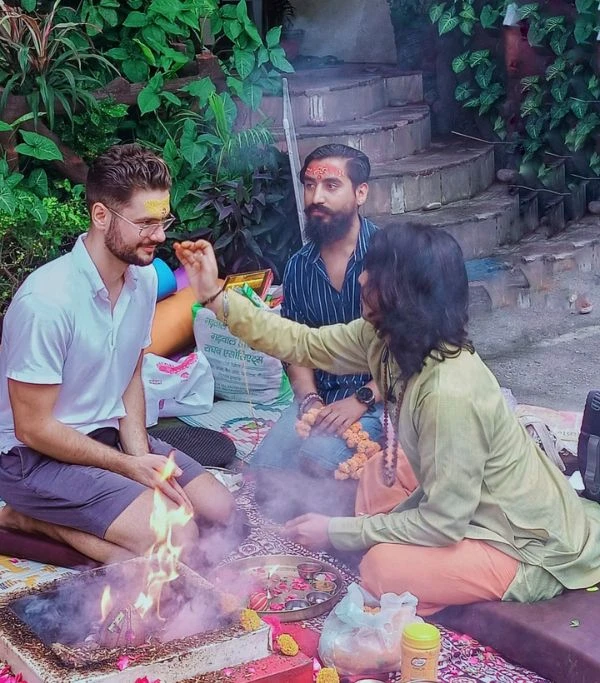
If you're looking for an authentic 200 hour yoga teacher training course in Rishikesh, Mimamsa Yogshala is the perfect choice for you. Our program is designed for beginner and intermediate yogis, and spiritual seekers who want to immerse themselves in the purest Himalayan tradition. During this intensive and immersive training, you'll experience an authentic yogic lifestyle, with a balanced and disciplined routine, delicious organic, vegetarian and vegan food, and exposure to the rich Hindu traditions of North India.
This course is an excellent opportunity for personal development, where you'll learn self-discipline, self-control, stamina, endurance, and resilience while practicing spiritual and physical purification techniques. You'll also gain new skills that will help you in life and in your career as a professional Yoga instructor.
We place a big emphasis on Yoga Teaching Techniques and Principles, as well as the correct alignment of all asanas. You'll learn how to prepare and conduct a class from beginning to end, demonstrate, adjust, and help your future students to reach their maximum potential, and get the most benefit out of the techniques performed.
In addition to the course curriculum, we have weekly group activities and excursions, held on Sundays, for students to take a break from the schedule and enjoy and explore Rishikesh. The Ayurveda module will teach you how to design and adhere to a healthy ayurvedic diet for optimal health, according to your body type specifications.
Our course is one of the most complete yoga teacher training in India, with a module on the secret practices of Kundalini Yoga and an in-depth workshop and initiation on Reiki level 1 added to the curriculum. You can expect significant improvement in your fitness level and feel your body and mind much stronger, flexible, and balanced as a result of the intense daily practices.
At Mimamsa Yogshala, our focus is on providing you with the highest quality of Yoga education according to the most authentic Hindu tradition, to contribute to the dissemination of the yogic teachings and lifestyle that we believe are the greatest gift to humanity. Enroll in our 200 hour yoga teacher training course in Rishikesh today and receive a Yoga Alliance 200 hours registered yoga teacher badge.
200 Hour Yoga Teacher Training Course In Rishikesh - Course Syllabus
Pranayama
Pranayama is a set of Yogic Techniques and practices generally defined as breath control and is on its own considered a science. Here is what you’ll learn on the subject:
Bandha (energy lock)
Bandhas are energy locks provoqued by the contraction of certain groups of muscles and are widely used in yoga practice. Here's a glimpse of what you’ll learn on the subject
Mantra chanting
Mantras play a big role in daily Yogic life. Mantras are sounds, and prayers that carry huge energy and vibration. We’ll teach to sing:
Kriya and Shatkarma (the six purification methods of hatha yoga)
Shatkarma is the Sanskrit term for one of the six yogic purification techniques (kriyas) as outlined in the "Hatha Yoga Pradipika." The purpose of these cleansing techniques is to keep the body strong, clean and healthy. They remove toxins and anything blocking the flow of prana in the body. Practicing shatkarmas internally purifies the body, and makes pranayama and meditation practice easier by preparing the body to perform these practices without distraction, discomfort or fatigue. These are traditional yogic cleansing techniques which are very effective to remove many illnesses and open the body blockages. You'll learn to use and perform:
Hatha yoga
Indian traditional yoga style is called "Hatha" (“ha” means sun “Tha” means moon) Unifying the sun and the moon within (Yin and Yang). It's a physical method for preparing and maintaining the body, providing stamina flexibility Balance and strength. This is the most traditional, popular and beneficial yoga style. What you’ll practice:
4.Matsyasana
5.Gupta Padmasana
6.Baddha Padmasana
8.Kukkutasana
9.Garbhasana
Backward bending Asanas
Forward bending Asanas
Spinal twisting & Advanced Asanas
3.Poorna Bhujangasana (full cobra pose)
4.Kurmasana (tortoise pose)
5.Poorna Salabhasana (full locust pose)
6.Poorna Dhanurasana (full bow pose)
7.Dhanur Aakarshan-asana (archer’s posed)
8.Chakrasana (wheel pose)
9.Hanumanasana (leg splitting pose)
Teaching methodology & adjustment
During these classes, you will learn how a perfect posture should be. You will also learn how to connect with your future students through correct class verbal guidance and touch adjustment, and about recurrent yoga injuries and how to prevent them. Teaching methodology is one the most important part of the course as our students will learn the following:
Yoga philosophy
The history of yoga, the sutras of Patanjali and the importance of yoga and its origins in India, are the subjects of these classes and lectures. A question and answer session is performed in every class so doubts can be addressed, and students can deepen their knowledge about yoga.
Topics in this class include:
The study of yoga philosophies and traditional texts (such as the Yoga Sutras, Hatha Yoga Pradipika or Bhagavad Gita) Yoga lifestyle, such as the precept of non-violence (ahimsa), and the concepts of dharma and karma. Ethics for yoga teachers, such as those involving teacher – student relationships and community. Understanding the value of teaching yoga as a service and being of service to others through yoga (seva)
Yoga anatomy
Anatomy classes expose how the body, bones, inner systems, and respiration are affected by asanas and the flow of breath. To know The basic structure and function of the organs and systems is very important to practitioners, so that their work as yoga teacher can be safe and beneficial to future students. This is what you’ll learn:
Complete Body Anatomy
Kundalini Yoga
Although Kundalini yoga is practiced around the world, its origin is unknown. The concept of Kundalini energy has been around for centuries and was mentioned in ancient Vedic texts from 1,000 B.C. Kundalini yoga is most associated with Yogi Bhajan, a yoga teacher from Pakistan. He’s credited with introducing the practice to Western countries in the 1960s. The term “Kundalini” comes from the Sanskrit word “kundal,” which means “circular.” It also refers to a coiled snake. And according to practitioners, Kundalini energy is like that coiled snake: It sits at the base of your spine, sleeping and unaroused. Kundalini yoga is practiced to activate this energy, which allows it to move up and through the chakras along your spine.
Some of the topics you’ll learn include:
Fundamentals of Kundalini Tantras as the philosophical background of Kundalini yoga Concept of Kundalini shakti Concept of chakras Their location and psycho-physical significance
Practices you’ll learn:
Ayurveda
Ayurveda, is a natural system of medicine, originated in India more than 3,000 years ago. The term Ayurveda is derived from the Sanskrit words ayur (life) and veda (science or knowledge). Thus, Ayurveda translates to knowledge of life. Based on the idea that disease is due to an imbalance or stress in a person's consciousness, Ayurveda encourages certain lifestyle interventions and natural therapies to regain a balance between the body, mind, spirit, and the environment.
Some of the subjects in this module include:
Reiki
The word “Reiki” means “mysterious atmosphere, miraculous sign.” It comes from the Japanese words “rei,” meaning universal, and “ki,” meaning life energy. Reiki is a type of energy healing. Energy can stagnate in the body where there has been physical injury or even emotional pain. In time, these energy blocks can cause illness. Energy medicine aims to help the flow of energy and remove blocks in a similar way to acupuncture or acupressure. Improving the flow of energy around the body can enable relaxation, relieve pain, speed healing, and reduce other symptoms of illness.
Some of the topics in this workshop include:
Ashtanga Vinyasa
An intensive and integral part of yoga, Ashtanga yoga style requires deep commitment and self-practice to achieve the goal. Mimamsa Yogshala’s yoga instructors are experienced teachers and advanced practitioners of the Ashtanga style, and will guide you safely through the hardest postures. you’ll learn the complete Led primary series:
Standing poses
Intermediate Asanas
Advanced A (optional)
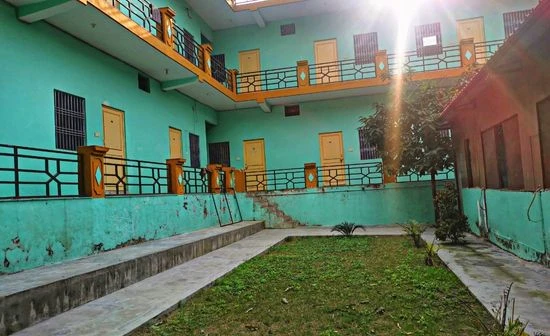
The Ashram offers three vegetarian and vegan meals a day. A variety of Yogic delicacies are on the menu of this 200 Hour yoga teacher training course. Rice, lentils, beans, chickpeas, vegetables and flatbreads are staples. Salad is always available too, along with dessert. All our food is satvik, cooked with love and care, in an hygienic manner, and with fresh produce from the local market.