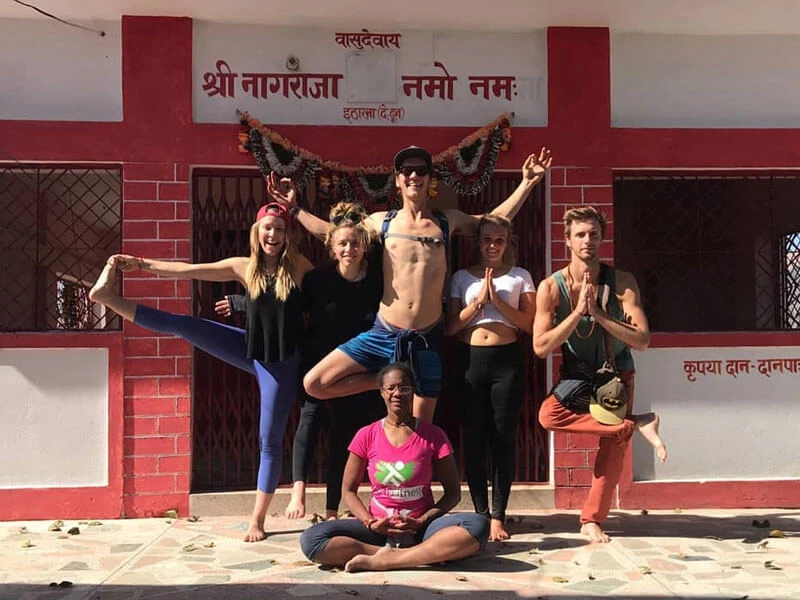
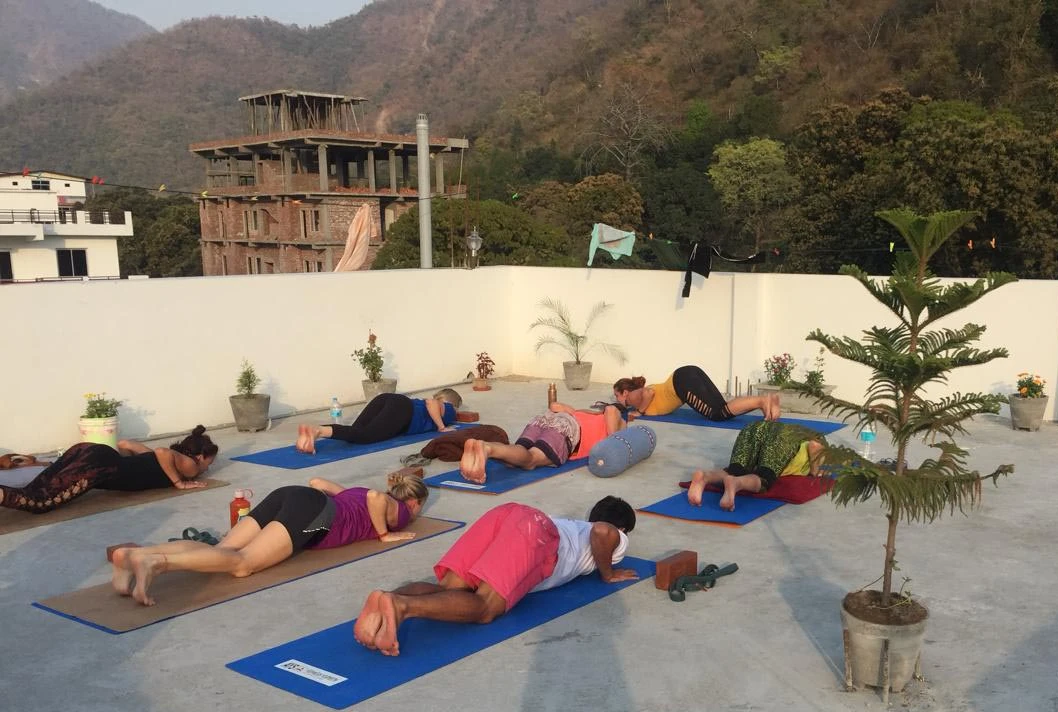
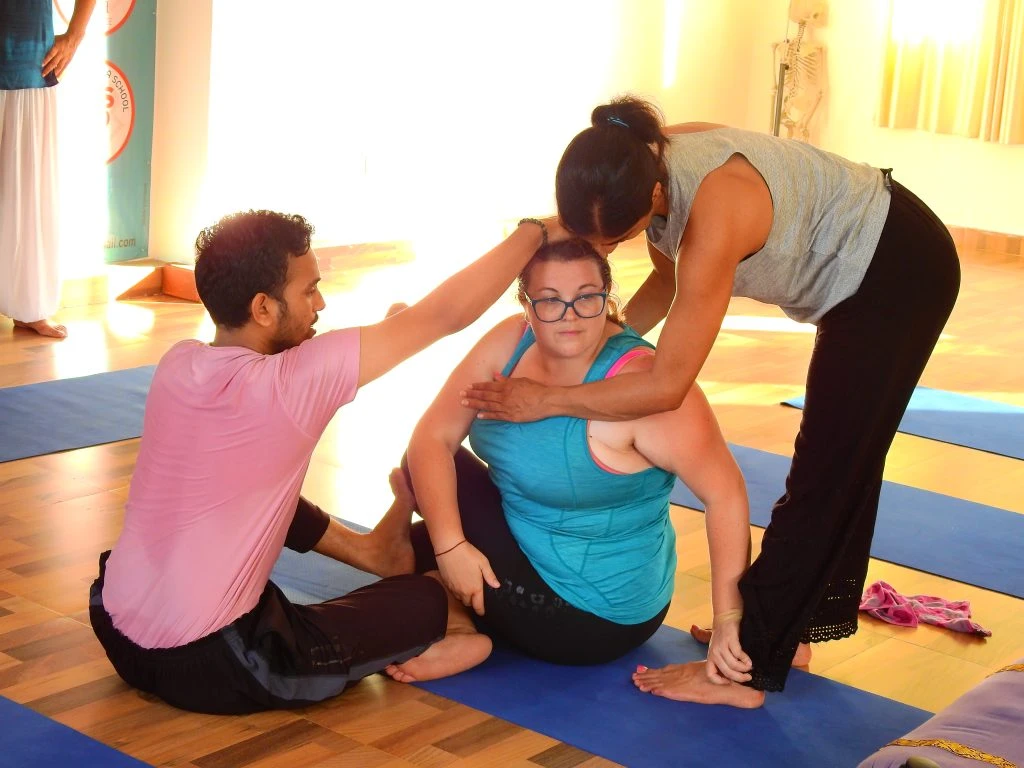
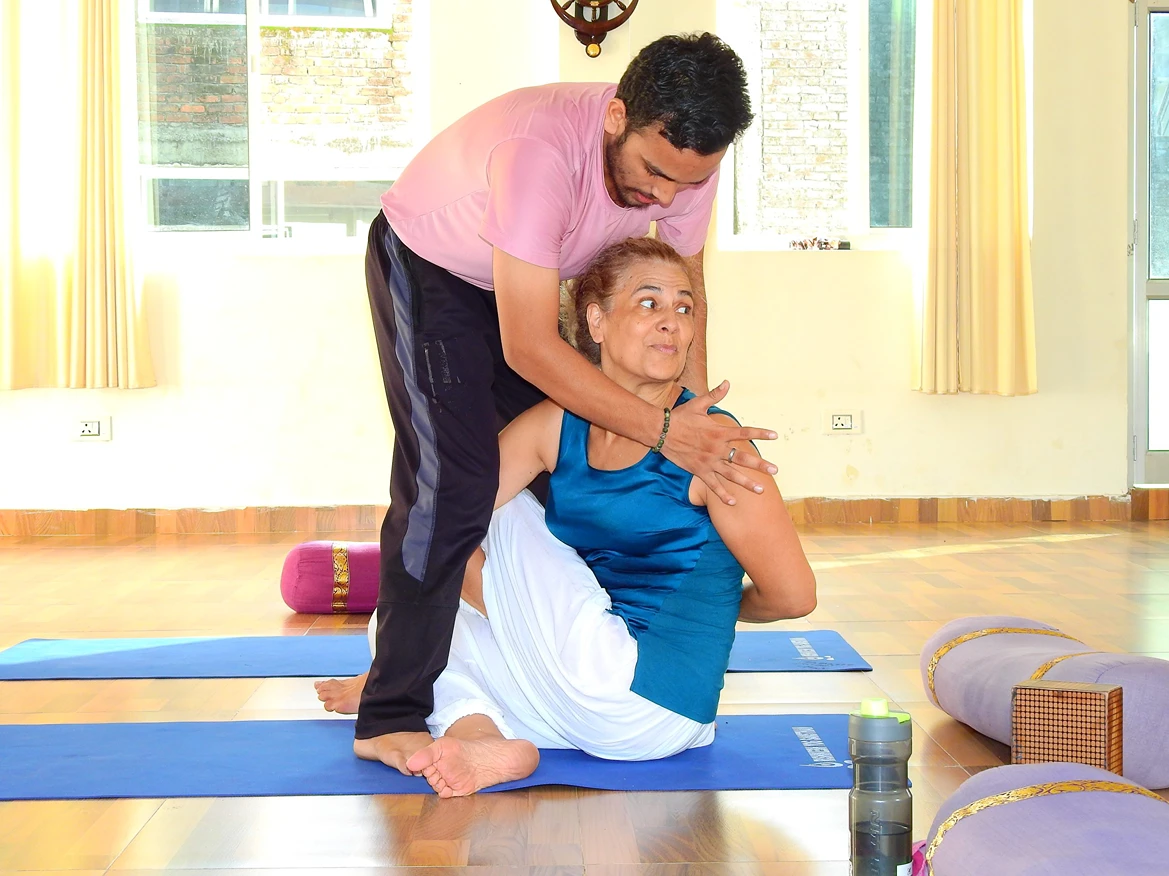
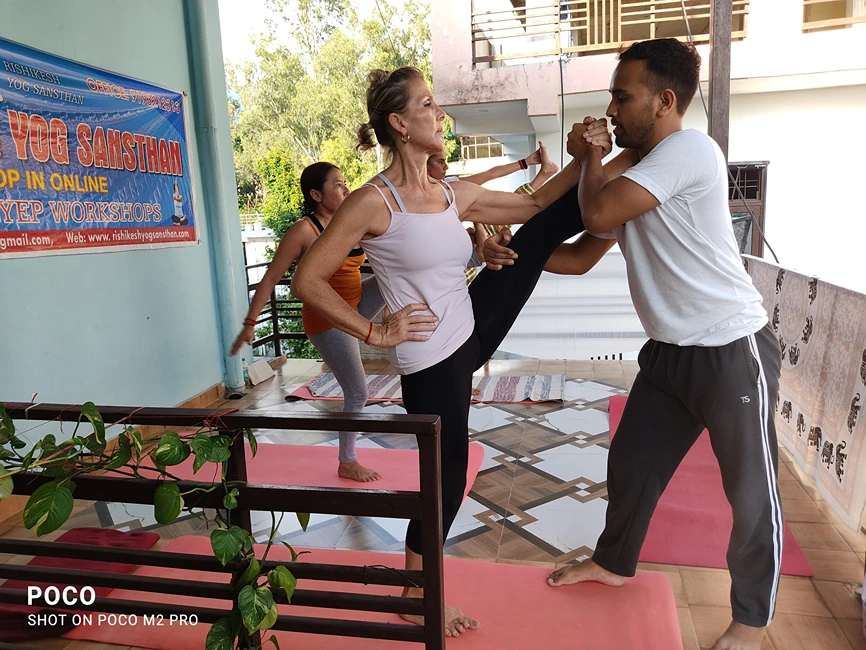
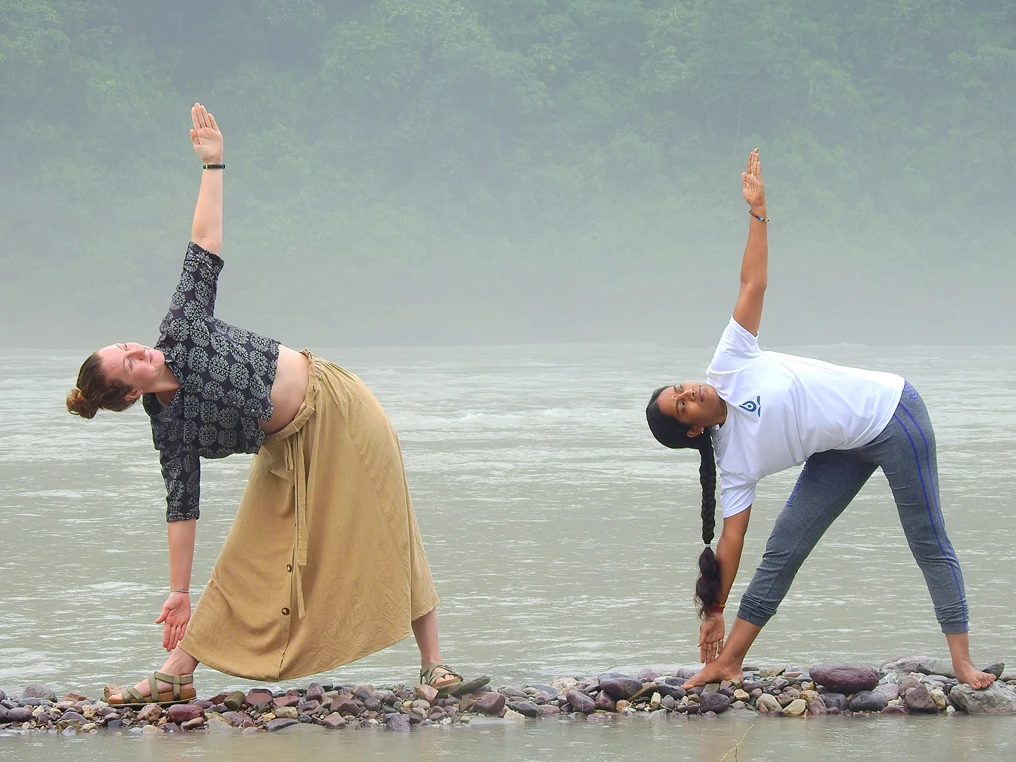
200 hour Yoga Teacher Training Course allow the begginer to explore their level of practice and learn how to incorporate yoga practices for physical, mental and emotional health. Students will learn how to plan general yoga, kids yoga and geriatric yoga sessions. The schedule is planed as per the environmental changes and the other events of the day. Hence the students can learn the Yoga lifestyle than just theoritical learning. This allows to convert every indirect knowledge into direct knowledge (“Pramana” as mentioned in Patanjali yoga Sutras). In this basic course few points can be really experienced within 28 days and take home for life time. As well mentioned in Vedas, yoga practice will tranform the personality, and the perception. This bit of realization even from modern science is opening the doors for the western views and helping many timeless lifes of the world through 200 hour Yoga teacher training course (200 hour YTTC).
05:30 am - Wake Up: the concept of waking in sacred time is before 6am (before Sunrise time)
06:00 am - Jala Neti: Very simple but most effective yogic cleansing technique for Nose. There will be chance to learn advance Kriya on every Saturday.
06:30 am - Chanting and Pranayama: Sacred mantras for seeking blessings will be explained. Different shlokas to generate energy will be learned.
07:30 am - Yoga Asana: Additional different style can be explored on every Saturday.
09:00 am - Breakfast
10:30 am - Yoga Assignments: Discussion and writing about everyday asanas. There will be audio-visual session on every Saturday.
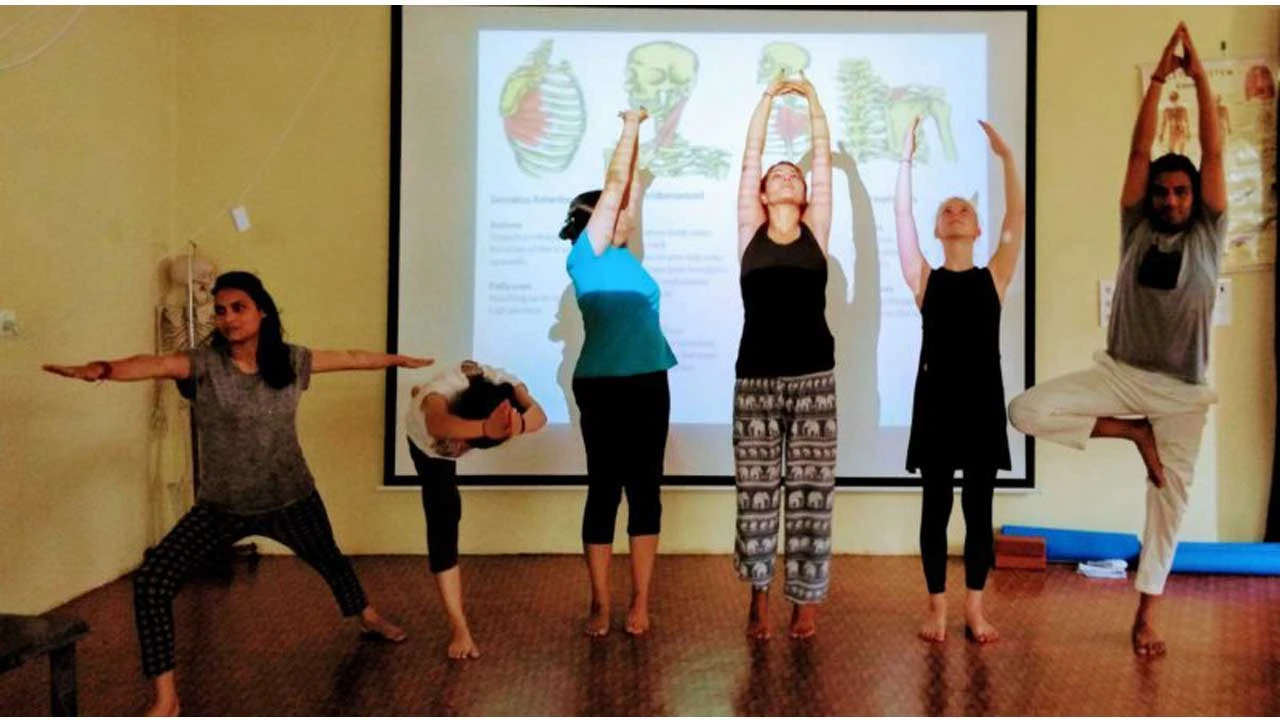
11:30 am - Yoga Anatomy: experiments on every Friday like blood pressure, breath and many indoor small experiments to avoid injuries with schedule.
12:30 pm - Lunch (Cooking class on one Saturday)
03:30 pm - Yoga Philosophy: Every Saturday it will be free for your own activities. Few equipments for indoor sports are available at school.
05:00 pm - Asana Methodology: Special yoga session on every saturday and on graduation day.
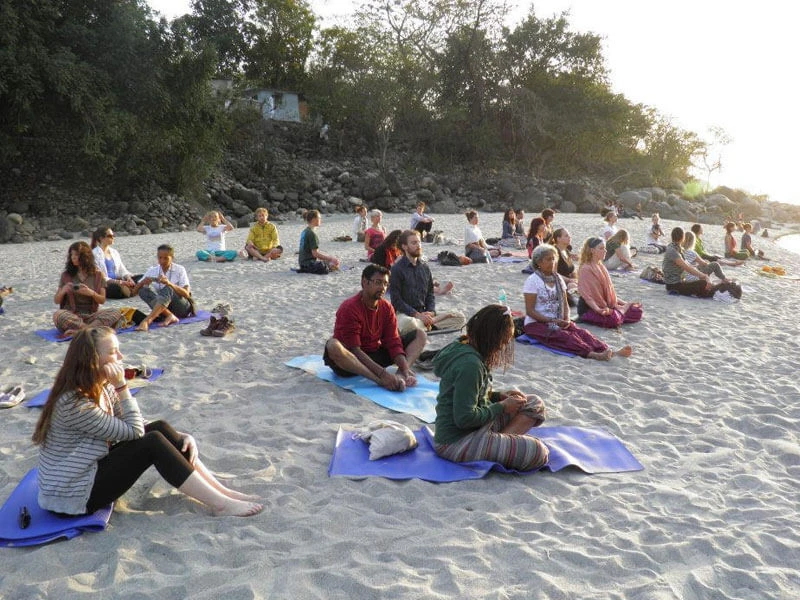
06:30 pm - Meditation: Japa Mala will be provided for free. Different techniques will be discussed in Anatomy session.
07:00 pm - Dinner
09:30 pm - Lights Off: this is planed to allow the normal bio-rhythm of the learner in this intense course.
Note: This is a tentative schedule. This may change according to the climatic situations.
200 hour Yoga Teacher Training - Curriculum
200 hour Yoga Teacher Training Course allow the begginer to explore their level of practice and learn how to incorporate yoga practices for physical, mental and emotional health. Students will learn how to plan general yoga, kids yoga and geriatric yoga sessions. The schedule is planed as per the environmental changes and the other events of the day. Hence the students can learn the Yoga lifestyle than just theoritical learning. This allows to convert every indirect knowledge into direct knowledge (“Pramana” as mentioned in Patanjali yoga Sutras). In this basic course few points can be really experienced within 28 days and take home for life time. As well mentioned in Vedas, yoga practice will tranform the personality, and the perception. This bit of realization even from modern science is opening the doors for the western views and helping many timeless lifes of the world through 200 hour Yoga teacher training course (200 hour YTTC).
Chapter-1: YOGA TECNIQUES (100 hours)
INTRODUCTION
- Principles of yoga
- Concept of yoga therapy
- Texts of yoga
- History and learning Sanskrit names with english meaning
- Techniques: Asana, Pranayama, Mudras, Bandhas, Meditation, Kriyas or Shtakarma
- Mantra chanting: Surya Namskara Mantras, Mantra of Upanishad and concepts from Vedas
ASANA/ YOGA POSTURES
This chapter deals with the description of physiological changes with Asana. This can be implemented for various poses and deepen the creativity. The basic knowledge can make the student plan the session better.
- Hatha Yoga asanas: History and learning Sanskrit names with english meaning.
- Sura namaskaras
- Standing poses: Triangle series, Worrier series, Dolasana series, Utita Hasta Padangushtasana series.
- Sitting poses: Head to knee series, Plank series, Lotus series, twisting series, Raja kapotasana.
- Prone poses: Locust series, Bhujangasana series, Dhanurasana, Mayurasana.
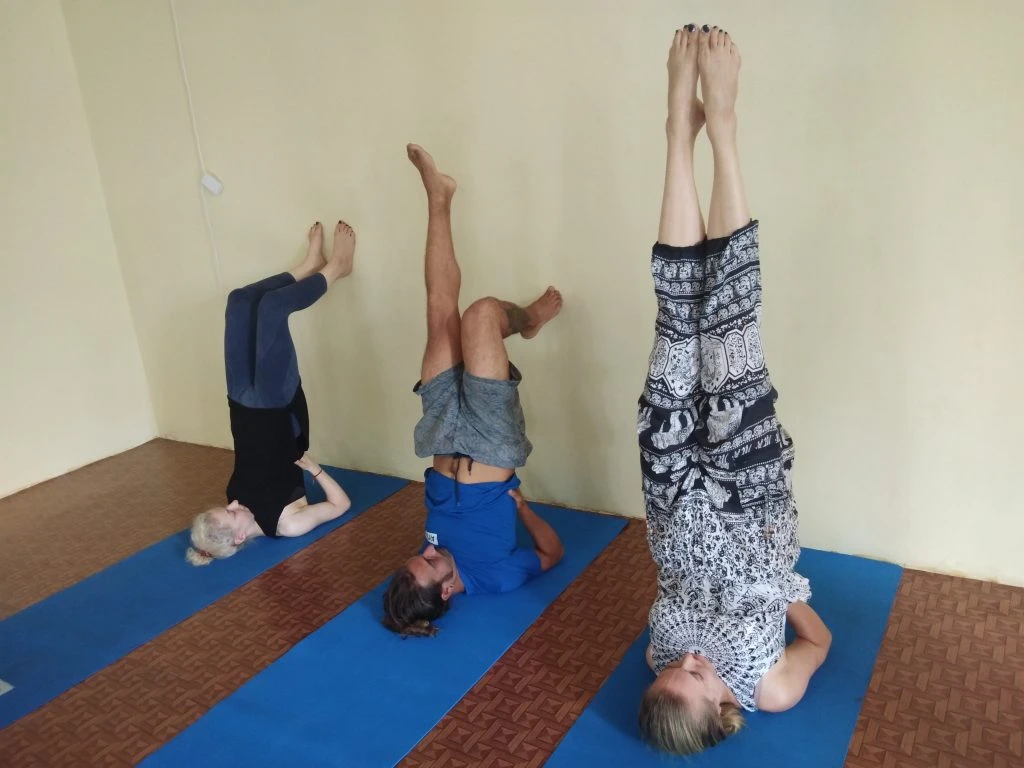
- Supine poses: Pawan muktasana series, Chakrasana, Halasana series, Sirshasana.
- Inversions and advance asana like Sirshasana, arm balances
- Introduction to different styles of yoga
PRANAYAMA/ BREATHING PRACTICES: Patanjali Concepts and hatha yoga practices.
- Kapala bhati
- Bhakstrika
- Ujjayi
- Nadi – Sodhana
- Bhramari
- Surya-Bhedi & Chandra-Bedi
- Sheetali & Sheetkari
- Advancing to Bandhas
YOGA GESTURES/ MUDRAS: This will be discussed with Nadis, Meridian systems and modern science.
- Jnana mudra
- Chin mudra
- Yoni mudra
- Bhairava mudra
- Hridaya mudra
- Nasikagra
- Khechari
- Maha mudra
YOGA BANDHAS/ ENERGY LOCKS
- Jalandhara: Relavance of Heart and respiratory systems will be discussed with vital signs.
- Uddiyana: related stomach and intestines functions will be discussed.
- Mula: Related changes of reproductive and excretory functions will be discussed.
- Maha Bandha: Focuss and experiement on brain functions.
DHYANA/ MEDITATION
- Breathing Awareness Meditation
- Imagery Meditation
- Trataka: It is an intense gaging practice.
- Dynamic Meditation
- Mantra Meditation
- Japa Meditation
- Cyclic Meditation
YOGA RELAXATION TECHNIQUES
- Yoga Nidra
- Deep Relaxation
- Relaxation with music
SHTAKARMA/ YOGA CLEANSING TECHNIQUES
- Jala-neti (Cleansing nostrils with water or a rubber cathedral): This yoga cleansing technique for nasal passages will improve the concentration ability before entering the asana session.
- Vamana Dhouti (Active Vomiting technique): this yoga cleansing technique for digestive tract makes the body energetic enough to cope up with intense training.
- Trataka (Gazing technique): this yoga cleansing technique for eyes reduces the previous stress and helps for stillness of mind.
- Kapalbhati- yogic cleansing technique for lungs, sinuses and helps for better breath before starting an asana session.
- Nauli- Open Discussion (optional): this yoga cleansing technique allows the practitioner to taste their involunatry abilities (sensing the involuntary functions.)
- Basti- Open Discussion: this yoga cleansing technique allows the practitioner to understand the integration of different practices and allow them to choose the path of Saint Life. Agnisaara kriya (clean with fire), this will give an immediate changes in the chakras and allow students to differentiate the physical and energy layers of our existence.
Chapter-2: YOGA ANATOMY AND PHYSIOLOGY (20 hours)
This is called as Sharira Vignana in Sanskrit. Proper understanding of the physical body will help to prevent injury before, during and after practice. There are two kinds of yoga anatomy: physical and spiritual. Understanding both types are needed. The above mentioned yoga techniques will be discussed in detail correlating o the few scientific topics for this intense beginners course.
Brief overview:
- Digestive System- Basics and related yogic practices
- Respiratory System- Basics and related yogic practices
- Circulatory System- Basics and related yogic practices
- Nervous System- Basics and related yogic practices
- Endocrine System- Basics and related yogic practices
YOGA ANATOMY OF ASANA, PRANAYAMA, MEDITATION and SHATKRIYA
- Mind: internal and external awareness points at asana, Pranayam anad Meditation will be focussed.
- Breathing: Quick and Deep breathing concepts and their results as per Patanjali yoga Sutras will be clearly implemented for Asana, Pranayama and Kriyas.
- Biomechanics: Center of Gravity, Base of Support and Muscle efoofrts will be discussed to plan the advancement of asana or methodology of any practice.
AYURVEDA CONCEPTS
- Introduction to Ayurveda
- Personality according to Ayurvedic
- Essential Ayurvedic Treatments
Chapter-3: YOGA HUMANITIES (30 hours)
This subject constitutes 30 hours of teaching. The student is going to gain the sacred knowledge and also the real yogic life. Patanjali Yoga Sutras are going to be understood and implement at every moment of the day. This is how personality can be changed and spiritual life starts (Sthitaprajna/Yogi).
- Introduction to yoga- Definitions and History
- Panchakosha
- Patanjali Yoga Sutras
- Bhagawadgita
- Chakras
- Emotions & 5 Senses
- Sapta dhatus
- Prana
- Trigunas
- Jnana Yoga
- Bhakti Yoga
- Karma Yoga
- Raja Yoga
- Introduction to Upanishads
Chapter-4: PROFESSIONAL ESSENCIALS (30hours)
This is part of asana session. This can be discussion in various classes of the daily schedule and the student will be encouraged to practice everyday for an hour separately.
- Structuring the Yoga Asana session.
2. Demonstration
3. Tone or Voice of teaching
4. Stepwise instructions
5. Counting- with instructions, with benefits, with numbering, with breaths.
6. Support the weak person physically.
7. Appreciate the best performance with voice.
8. Stay in the final pose with the meaning of “Stiram Sukham Asanam”.
Outings/ Tours: These are part of the devotional, self realization activities.
- Ashram visit: Joining the traditional school called Gurukulam at nearby ashram at river Ganga. It allows the learner to feel the actual way of learning and implementing yoga in life. The Yoga teacher also learns to see the self as beyond physical level. Feel the five elements inside and outside.
- Ganga arti: Participating in the sacred activity of praying the river Ganga, one of the five elements as living God. This at the sunset times is called as Sandhya Vandanam can be learned practically under the guidance of our teacher who have lived in Gurukulam before joining this school.
- Kunjapuri: The most sacred places of Goddess Parvati, wife of lord Shiva are many on this globe. One of the famous is at the peak mountains of Rishikesh. It will be visited early morning to have the visit of temple and also to catch the first rays of Sun light. This is also famous as Sun Rise Temple.
- Rafting: The glory of river Ganga can be felt by taking a dip in it. If the scarcity obstructing such devotional activity, then the rafting will help to do such river bath. It is also pleasant to spend in the water between the green mountains, caves, rocks and beach.
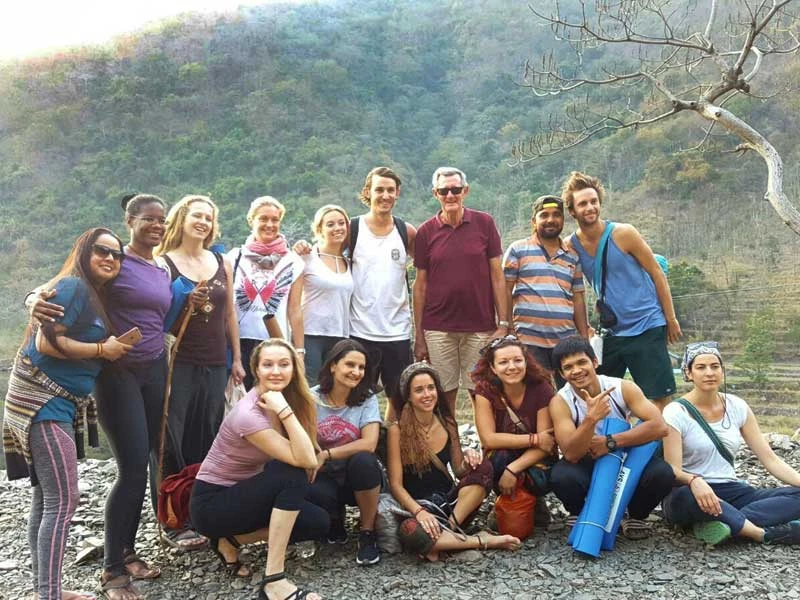
- Camping: mountain life by saints can be felt by traveling to nearby forest life with school team and the Indian cooking styles. Adjusting ability starts from such camping life. Here the practices like asana, pranayama, meditation, bhajans, different talents of students makes a different day from intense course at one week end of the course.